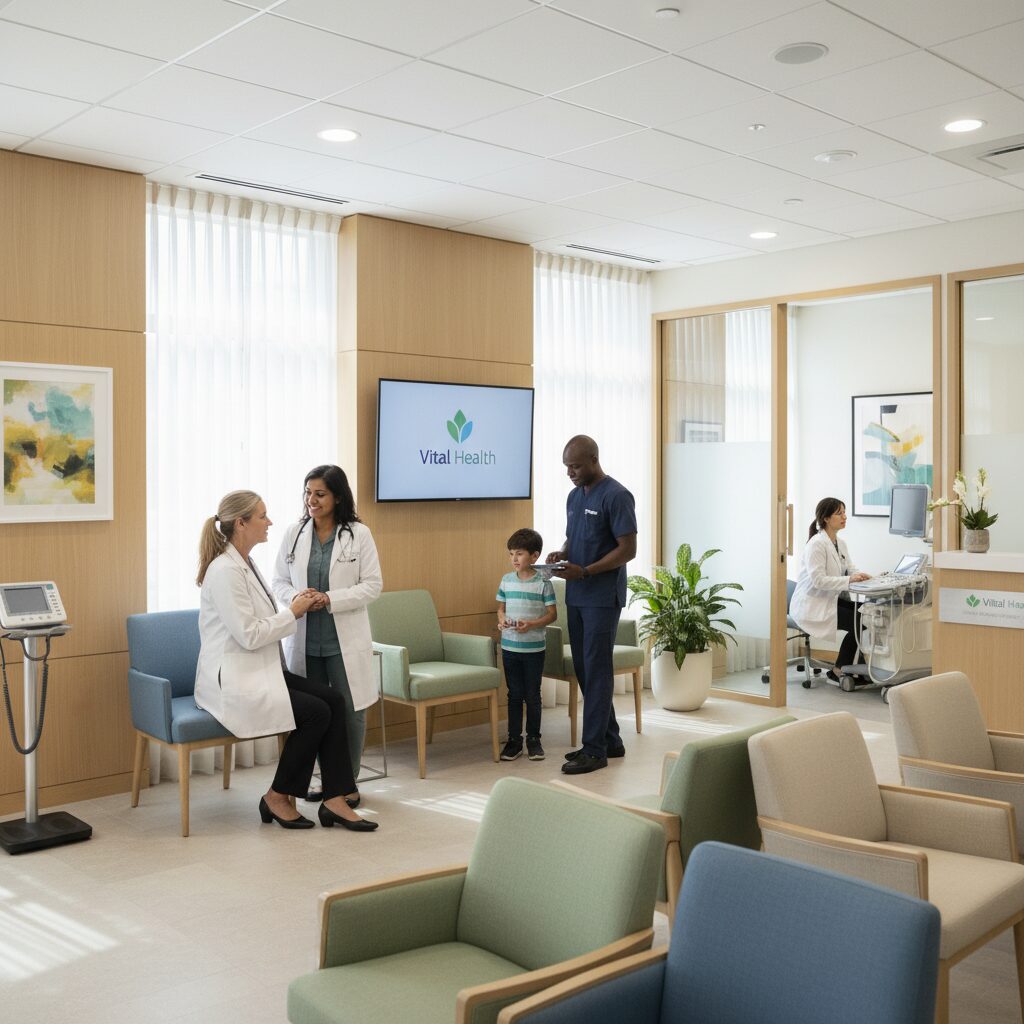

You’ve decided it’s time to find a primary care practice that’s accepting new patients. With more people than ever looking for ongoing medical support, understanding how clinics manage patient panels, insurance acceptance, and payment options can smooth your path to care. In this guide, you’ll learn what to consider when searching for a primary care provider who is accepting new patients primary care, how to verify your coverage, explore payment alternatives, schedule your first appointment, and prepare for the visit ahead. By equipping yourself with these insights, you lower barriers to care and take charge of your health journey.
Understanding new patient panels
Every primary care clinic maintains a patient panel—a roster of individuals under its care. When demand outpaces capacity, providers may close panels to maintain quality. Recognizing why and when panels reopen helps you target practices most likely to welcome you.
Why panels close
Primary care physicians often manage panels of 1,500 to 2,500 patients, pushing many to pause new enrollments once they hit capacity. A 2024 PartnerMD analysis explains that physicians stop accepting new patients to fully onboard those they’ve already taken on, ensuring thorough reviews of medical histories and personal health goals [1]. Retirement, relocation, or transitions to concierge medicine further tighten availability. In concierge models, physicians intentionally cap panels at 400–600 patients to deliver more personalized care. Burnout adds another layer: administrative burdens such as electronic medical record documentation can add two hours of work for every clinical hour, driving many doctors to limit panel size [2].
Finding open panels
You can spot clinics that are accepting new patients by checking provider websites for “new patient enrollment” notices or dedicated pages. MyCHN primary care clinics in Houston, TX, are currently accepting new patients at any of their 14 locations, providing a trustworthy and caring team ready to support new patients from their very first visit [3]. Similarly, Inova Primary Care – Leesburg accepts all major commercial insurances and Medicare Part B, offers extended scheduling hours, and welcomes patients of all ages [4]. Calling clinics directly and asking about their panel status can yield up-to-date information. You might also ask if they maintain a waiting list; when spots open, you’ll be first in line.
Verifying insurance coverage
Before you commit, confirm that your insurance plan aligns with the clinic’s billing policies. Skipping this step can lead to unexpected out-of-pocket costs and frustration.
“Selecting a primary care physician (PCP) is a crucial first step in managing health care, including wellness visits, routine screenings, and non-emergency illnesses.” [5]
In network considerations
Choosing an in-network provider typically delivers the most cost-effective care, since insurers negotiate discounted rates with these practices. Look for clinics labeled as an in network provider primary care to minimize your share of expenses. If you visit out-of-network, you may face higher deductibles, coinsurance, or balance billing. When considering a telehealth option, verify its coverage by exploring an insurance accepted telehealth clinic list or asking about telehealth insurance accepted.
Confirming your plan
Contact your insurer or use an insurance verification provider tool before booking. You’ll need to supply your member ID, plan type, and preferred clinic. Confirm which services—wellness exams, lab tests, vaccinations—are covered at 100 percent versus those requiring cost share. If you’re unsure, ask the clinic’s front office to verify benefits for you. You can also choose a clinic with multiple insurers to increase the odds that your coverage is accepted.
Exploring payment alternatives
Insurance isn’t the only route to primary care access. Many clinics offer flexible payment models designed to fit diverse needs.
| Payment option | Description | Learn more |
|---|---|---|
| Insurance | Traditional billing through your insurer, in or out of network | insurance verification provider |
| Sliding scale | Fees adjusted based on household income | clinic with sliding scale |
| Membership plan | Flat monthly fee for unlimited visits and added perks | membership primary care plan |
| Payment plan | Ability to spread large bills over weeks or months | healthcare payment plan options |
Insurance payment options
When you bill through insurance, the practice files claims on your behalf and you pay the negotiated copay or coinsurance. Make sure the clinic you choose has transparent billing by looking for a transparent pricing primary care policy. Some providers waive fees for preventive services entirely, as required by law for most plans. If your insurance requires high deductibles, ask if the clinic offers direct-pay packages for services like physicals or routine labs.
Sliding scale and memberships
Community health centers and some private practices provide a sliding-scale fee structure, basing costs on income and family size. This approach can cut costs dramatically if you lack robust insurance or if your plan has limited coverage. Membership plans—often called direct primary care—require a fixed monthly retainer that covers unlimited office visits, same-day scheduling, and annual preventive screenings. These models eliminate surprise bills and foster long-term patient–provider relationships.
Telehealth and cost
Virtual visits can deliver primary care at lower rates than in-office appointments. Many telehealth providers accept major insurance plans, and some offer low-cost self-pay options. Before booking, verify telehealth coverage with your insurer or choose a telehealth insurance accepted practice. Keep in mind that not all services—like vaccines or blood draws—are available online.
Booking your first appointment
Once you’ve zeroed in on a practice that’s accepting new patients and fits your budget, it’s time to schedule.
Scheduling ease
Many clinics allow online booking, phone reservations, or even text-based appointment requests. Start by visiting the practice’s website and locating the “new patient” or “enroll now” section—sometimes labeled as new patient enrollment clinic. You can also follow a guided process on a schedule primary care appointment page. If online slots are full, call the office directly to ask about cancellations.
Preparation and docs
Ask what documents you need before the visit. Typically, you’ll bring photo ID, insurance card, and a list of current medications. If you’ve seen other providers, request copies of your medical records or lab results in advance. Some clinics provide secure online portals where you can upload forms and health history details, speeding up your check-in. If you’re still onboarding, follow the how to become a patient checklist to ensure nothing gets overlooked.
Preparing for your visit
A little preparation goes a long way toward a smooth first appointment and an efficient use of time.
Completing forms
New patient paperwork often covers medical history, allergies, family health, and lifestyle factors. Clinics may send these forms electronically—or ask you to arrive early to fill them out on paper. Providing detailed and accurate information upfront reduces follow-up calls and duplicate testing later.
What to bring
Beyond ID and insurance details, bring a written summary of any symptoms or concerns you want to address. Jot down questions about preventive screenings, immunizations, or management of ongoing conditions. If you have recent lab results or imaging studies, bring those reports to avoid repeating tests. Remember a list of current prescriptions and over-the-counter supplements, including dosages and frequency.
Establishing ongoing care
Your first visit is just the start. Building a proactive partnership with your primary care provider ensures your long-term health needs are met.
Creating care plans
Primary care providers often develop individualized care plans that include lifestyle recommendations, referrals to specialists, and goal-setting for chronic conditions. At your first visit, expect discussions about nutrition, exercise, and preventive screenings tailored to your age and risk factors. MyCHN clinics, for example, work with new patients to set realistic health goals and schedule follow-up visits as needed [3]. Your PCP will adjust your plan over time based on test results and health changes.
Using patient portals
Online patient portals streamline communication, appointment scheduling, prescription refills, and billing inquiries. After your visit, you may receive login credentials to access test results, message your care team, and manage appointments from home. Regular portal use keeps you engaged in your care, reduces phone tag, and ensures you never miss a check-in. If your clinic supports telehealth, you’ll often find your virtual visit link here as well.
By understanding how patient panels work, verifying your coverage, exploring flexible payment models, and preparing thoroughly, you pave the way for a seamless transition into a new primary care relationship. With this knowledge in hand, you can confidently choose a practice that meets your needs, schedule your initial visit, and embark on a partnership that supports your health for years to come.