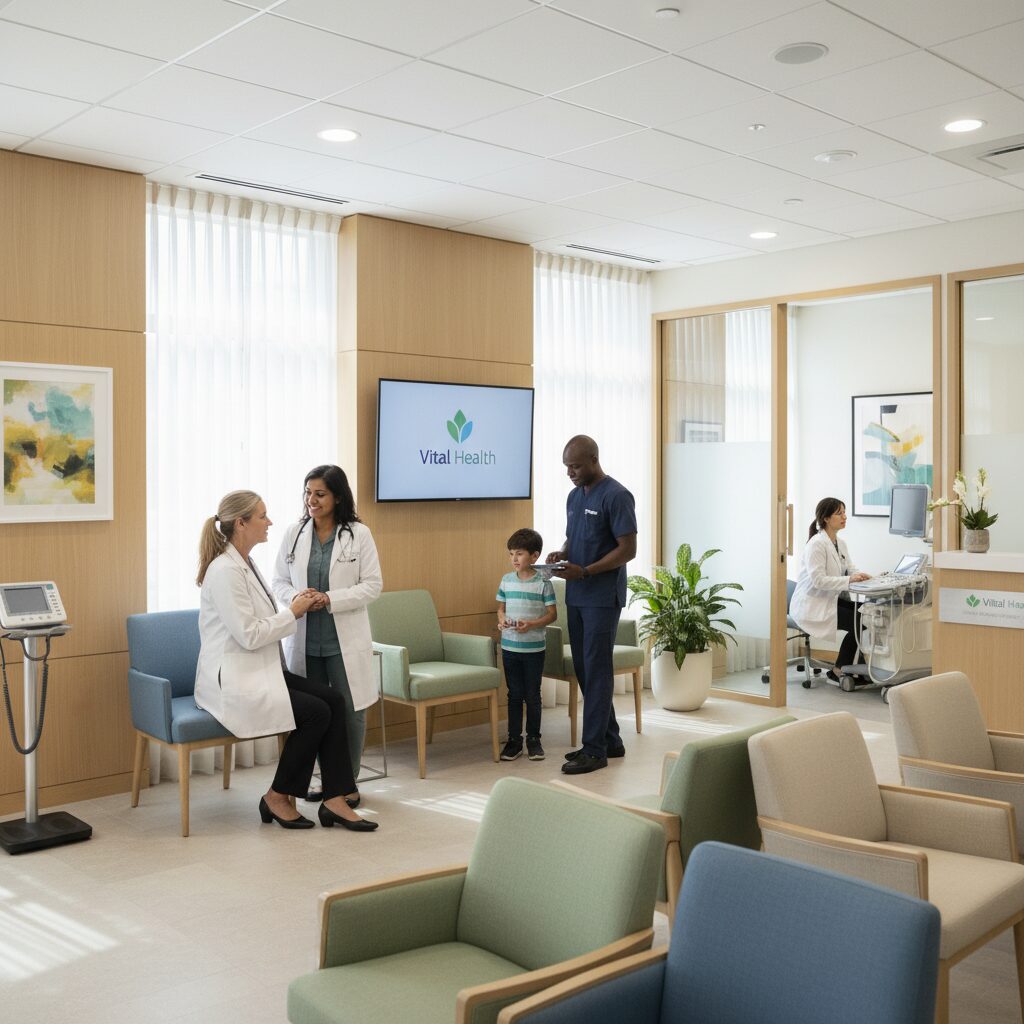

Understand integrated mental health
When you visit your primary care provider, you expect treatment for physical ailments, but did you know that mental health services primary care can be lifesaving? Integrating mental health into your routine check-ups brings psychiatric evaluation, counseling, and behavioral interventions right where you already receive care. This approach tackles both physical and mental wellness in one setting, reducing barriers that often delay or prevent you from getting the help you need.
Mental disorders are among the leading causes of disability worldwide, causing significant suffering, poor quality of life, and economic burden. The World Health Organization emphasizes that shifting mental health care into primary healthcare settings improves access and outcomes by treating patients closer to home, lowering transportation and productivity costs, and offering holistic support across a person’s life span [1]. When your mental wellness provider works alongside your family doctor, you benefit from continuity of care, coordinated treatment plans, and better detection of co-occurring physical conditions.
By choosing integrated mental health services, you tap into a collaborative model where primary care physicians, psychologists, social workers, and psychiatrists share information and treatment strategies. This team-based approach ensures that mild to severe depression, anxiety, and other disorders are identified early and managed effectively. You no longer need to navigate separate referral systems or wait weeks for appointments; instead, mental health support becomes part of your everyday healthcare journey.
Recognize service benefits
When mental health services are embedded in primary care, you gain several advantages:
- Improved access and affordability
Having mental health professionals on-site or via telehealth reduces travel time, lowers costs, and lets you maintain work or family commitments. Primary care services are often covered by your existing insurance, minimizing out-of-pocket expenses. - Holistic treatment of co-morbidities
Many patients with chronic illnesses experience depression or anxiety. Integrated care lets your provider address physical and mental issues together, improving overall outcomes and preventing overlooked symptoms. - Continuity and coordination
With shared medical records and regular team meetings, your providers stay informed about your progress. This continuity reduces the risk of conflicting medications or contradictory advice. - Reduced stigma
When mental health conversations happen in the familiar setting of your doctor’s office, it normalizes psychosocial care. You’re more likely to speak openly about stress, mood changes, or substance use without feeling singled out. - Faster intervention
Early screening tools, like a depression screening primary care questionnaire, help catch symptoms before they escalate. Timely support can prevent crises, hospitalizations, and long-term disability.
By recognizing these benefits, you can advocate for services that remove friction from your care journey and empower you to achieve lasting mental wellness.
Explore care models
Integrated mental health in primary care can take several forms. Understanding the main models helps you choose the right setting for your needs:
- Collaborative care model
In this structured approach, a care manager—often a nurse or social worker—coordinates treatment between you, your primary care physician, and a consulting psychiatrist. Regular case reviews ensure that medication adjustments or therapy intensify when needed. Collaborative care has been shown to improve depression and anxiety outcomes compared to usual care [2]. - Primary Care Behavioral Health (PCBH)
PCBH embeds a behavioral health consultant, such as a psychologist or licensed clinical social worker, into the primary care team. The consultant provides brief, solution-focused interventions during your regular visits, addressing issues like stress management and coping strategies. PCBH services shorten wait times and increase patient engagement, though rigorous evidence comparing it to other models is still emerging [3]. - Fully integrated clinics
Some practices, often called an integrated mental health clinic, offer all services under one roof—medical appointments, therapy, psychiatric evaluation, and group programs. When you step into the clinic, you access a multidisciplinary team without separate referrals. - Telehealth integration
For remote or busy patients, behavioral health telemedicine embeds virtual mental health visits into your primary care workflow. You might have a video session with a therapist during the same appointment window as your physical exam.
Learning about these care models helps you discuss options with your provider and select a practice that aligns with your lifestyle, insurance, and treatment goals.
Overcome access barriers
Even with proven models, some obstacles may stand between you and integrated mental health services. Identifying these barriers lets you plan strategies to overcome them:
- Workforce shortages
Many regions lack qualified mental health professionals trained for primary care settings. You can ask your clinic whether staff receive ongoing supervision from specialists or participate in primary care behavioral health integration training programs. - Insurance and reimbursement
Complex billing rules may discourage practices from offering behavioral health. Some insurers carve out mental health benefits, requiring separate referrals and networks. If your insurer limits coverage, consider telehealth therapy services that accept your plan or sliding-scale clinics. - Time constraints
Primary care visits often feel rushed. To ensure you get mental health support, schedule longer follow-up appointments or inquire about brief screenings and same-day consults with on-site counselors. - Stigma and cultural beliefs
You may hesitate to disclose emotional concerns in a medical exam. Remember that primary care providers routinely address mental wellness. Starting with physical symptoms—like headaches or sleep troubles—can open the door to psychosocial discussions. - Technology gaps
Reliable internet and user-friendly platforms are essential for telehealth. If connectivity is a challenge, ask about phone-based counseling or in-person services at a nearby clinic.
By proactively discussing these barriers with your provider, you can access solutions that bring mental health support into your primary care experience.
Leverage telehealth options
Telehealth has revolutionized how you access mental health services primary care. During the COVID-19 pandemic, virtual visits rose from less than 1 percent to around 40 percent of mental health appointments, with rural patients benefiting most [2]. Today, telehealth remains a convenient, effective option for therapy and medication management.
- Virtual mental health visits (/virtual-mental-health-visits)
You can schedule a video session with a counselor or psychiatric nurse practitioner from your home or office. This flexibility reduces missed appointments and travel stress. - Anxiety treatment via telehealth (/anxiety-treatment-via-telehealth)
Cognitive behavioral therapy (CBT) for anxiety adapts well to video format. Your therapist can guide you through exposure exercises, relaxation techniques, and activity planning online. - Telehealth therapy services (/telehealth-therapy-services)
Many practices offer teletherapy packages that include multiple session types—individual therapy, group workshops, and family counseling—all delivered virtually. - Behavioral health telemedicine (/behavioral-health-telemedicine)
For complex cases, some clinics embed virtual behavioral health consultants into primary care visits. You might see your doctor in person and, moments later, meet your consultant via a secure video link.
Telehealth expands your options and lowers the activation energy needed to start treatment. If you face scheduling conflicts or transportation challenges, ask your provider about virtual care offerings that integrate seamlessly with your primary care visits.
Find local support
While virtual care is invaluable, you may prefer in-person services. Many primary care practices now host on-site mental health professionals so you can address emotional concerns within a familiar setting.
- Counseling services in clinic (/counseling-services-in-clinic)
Licensed counselors or social workers provide individual and group therapy sessions during your regular clinic hours. This arrangement simplifies scheduling and maintains continuity with your medical record. - Psychiatric evaluation primary care (/psychiatric-evaluation-primary-care)
If medication management or a detailed diagnostic assessment is needed, you can complete an initial psychiatric evaluation without leaving your doctor’s office. Follow-up psychiatric care often occurs in coordination with your primary care team. - Therapy + primary care practice (/therapy-primary-care-practice)
Dedicated integrated clinics offer joint appointments where you meet both your physician and therapist in one visit. This collaboration enables real-time treatment adjustments and comprehensive care planning. - Mental wellness provider (/mental-wellness-provider)
Look for clinics that advertise behavioral health integration or employ a dedicated mental wellness coordinator to guide you through referrals, paperwork, and follow-up care.
Finding local, integrated support reduces logistical hurdles and fosters a trusting relationship between you and your care team. Ask your provider which services are available in-office or at an affiliated clinic.
Advocate for integrated care
You play an active role in shaping your treatment experience. Here are practical steps to ensure you receive comprehensive mental health services primary care:
- Bring it up early
Mention emotional symptoms—stress, mood changes, sleep disruption—during your first visit. Framing concerns around physical complaints can also open the conversation. - Request screenings
Ask for standardized tools, like PHQ-9 for depression or GAD-7 for anxiety, as part of your routine exams. You can reference depression screening primary care or similar protocols. - Inquire about team-based care
Ask whether your clinic employs a behavioral health consultant or collaborates with mental health specialists. If not, request a referral to an integrated care mental health team. - Explore telehealth alternatives
If in-person services are limited, check if your provider offers virtual counseling service or partners with teletherapy platforms. - Follow up consistently
Schedule regular check-ins to monitor progress, adjust treatments, and coordinate care plans. Consistency strengthens your support network and helps prevent setbacks. - Engage your support network
Encourage family or close friends to attend joint sessions or workshops. Their involvement can reinforce your treatment goals and provide additional encouragement.
By proactively advocating for integrated services, you ensure that mental health becomes an integral part of your overall healthcare, not an afterthought.
Embrace integrated care
Mental health services primary care represent a paradigm shift toward treating the whole person. When you embrace integrated care, you benefit from improved access, coordinated treatment, and reduced stigma. Whether you choose in-office counseling, a collaborative care model, or telehealth consultations, you’re positioning yourself for more timely interventions, better health outcomes, and a stronger support network.
Start the conversation at your next appointment. Ask about primary care behavioral health integration, explore telehealth therapy services, and demand the comprehensive care you deserve. By making mental wellness a routine part of your primary care, you take a vital step toward a healthier, more resilient life.
References
- (PMC – NCBI)
- (AAMC)
- (PubMed)