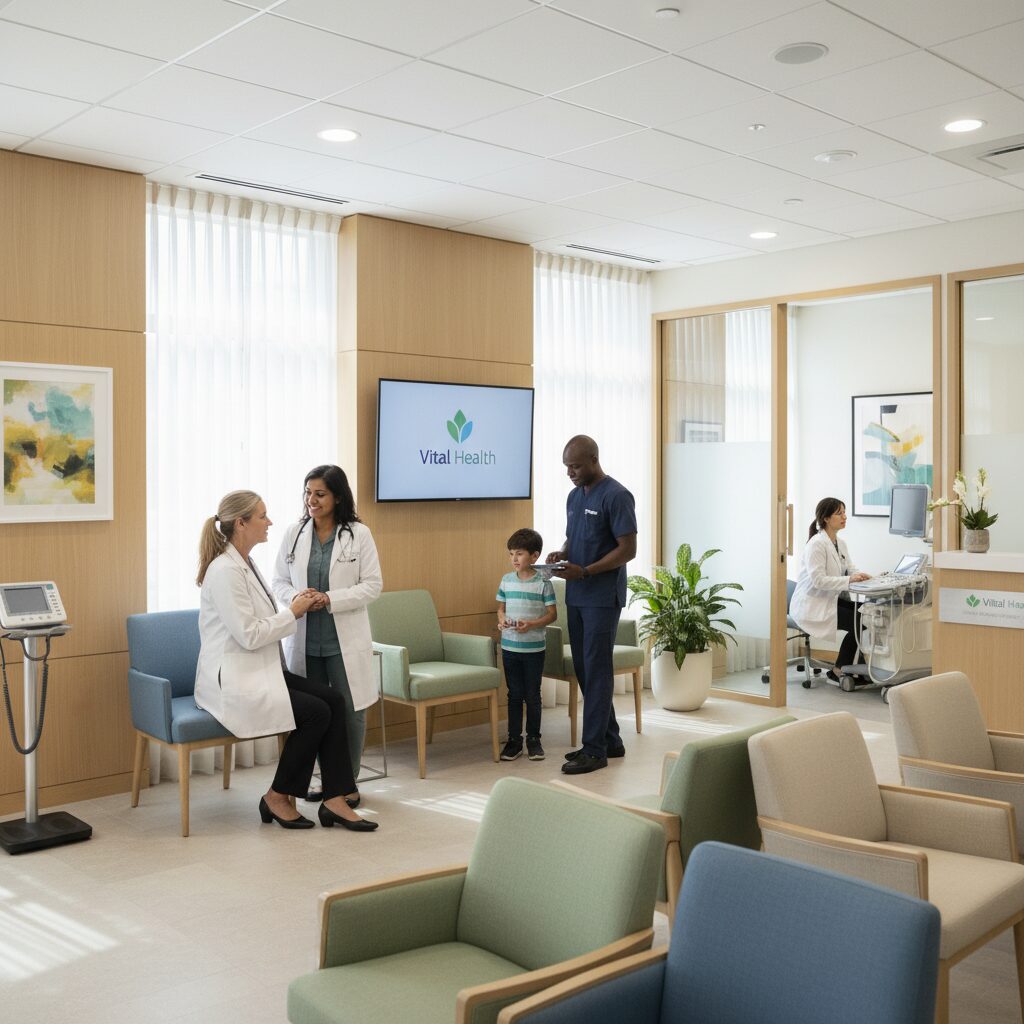

You rely on both physical and mental health to feel your best. In an integrated mental health clinic, you access behavioral health and primary care services under one roof, coordinating therapy, psychiatric evaluation, medication management, and routine medical care. This seamless approach to primary care behavioral health integration lets you address depression, anxiety, chronic conditions, and overall wellness together. By reducing referral friction between your physician and mental health specialists, integrated services help you start treatment faster and stick with it longer.
Integrated mental health care—sometimes called collaborative or behavioral health integration—treats your mind and body as a whole. Instead of navigating separate systems, you work with a multidisciplinary team that shares your goals and treatment plan. As the National Alliance on Mental Illness explains, combining mental and physical health care optimizes outcomes by coordinating interventions in familiar settings [1]. Whether you visit in person or through virtual mental health visits, you benefit from sustained support and fewer gaps in care.
Understand integrated mental health clinic
What is integrated care?
Integrated care blends medical and behavioral health services in one coordinated model. You might encounter two main approaches:
| Model | Description | Key team members | Medicare codes |
|---|---|---|---|
| Collaborative Care Model | A psychiatrist consults with your primary care provider and care manager, expanding access | Primary care provider, psychiatric consultant, care manager | CoCM codes (GCP, GAD, etc) |
| General behavioral health integration (BHI) | Your primary care clinician or a behavioral health specialist on site delivers brief interventions | PCP, nurse or social worker, therapist | General BHI codes (G0512, G0511, etc) |
The Collaborative Care Model lets a psychiatrist extend expertise to more patients—about 13 times more over a career—by guiding primary care teams [2]. General BHI offers flexibility when psychiatric resources are limited, enabling nurses or social workers to provide counseling and follow-up.
Why integration matters
When mental health is part of your routine checkup, you avoid the stigma and delays of separate referrals. Integrated clinics routinely screen for depression and anxiety during annual visits, catching symptoms early and connecting you to help without an extra appointment. In one survey of 79 randomized trials, patients in collaborative care experienced better long-term mental and physical outcomes than those in traditional settings [2]. You are 54 percent less likely to visit the emergency room and 49 percent less likely to need inpatient psychiatric care under this model.
Explore integrated clinic benefits
Improved health outcomes
By aligning treatment goals, an integrated mental health clinic helps you manage chronic illnesses alongside behavioral health conditions. Coordinated care teams share electronic health records, adjust medications with whole-person insight, and monitor progress together. Studies in the Veterans Health Administration and Federally Qualified Health Centers show significant reductions in depression and anxiety symptoms, as well as better control of diabetes and hypertension when behavioral health is embedded in primary care [3].
Enhanced patient satisfaction
You feel more supported when your mental health specialist and primary care provider collaborate on every visit. Familiar faces, unified care plans, and reduced paperwork build trust and encourage honest conversations. A 2024 report from ChartSpan noted that Medicare’s reimbursement of Behavioral Health Integration services since 2017 opened doors for over 66 million beneficiaries to receive ongoing mental healthcare without leaving their medical home [4].
Reduced stigma and friction
Making mental health part of primary care normalizes screening and treatment. Rather than traveling to a separate clinic, you can discuss mood changes or substance use during a routine checkup. This approach quiets the fear of judgment and accelerates early intervention, improving long-term outcomes.
Successful model examples
- Cherokee Health Systems in Tennessee uses a unified EHR for screening, follow-up, and real-time communication, streamlining care across providers [5].
- Community Health Plan of Washington manages behavioral health integration in 150 clinics via a web-based tracking system, enabling remote psychiatric consultations.
- Intermountain Healthcare links medical records, health exchanges, and population registries to standardize mental health screening for over 400,000 patients in Utah.
- MaineHealth’s program integrates 30 clinicians into primary care practices with shared templates and PHQ-9 screening tools, improving documentation and follow-up.
Meet your care team
Primary care providers
Your primary care provider (PCP) remains at the center of integrated care. They screen for mental health concerns, manage physical conditions, prescribe medications, and refer you to on-site specialists. With regular depression screening primary care and anxiety check-ins, your PCP flags issues early, ensuring you get timely help.
Behavioral health specialists
Licensed therapists, social workers, and counselors deliver short-term therapy or ongoing psychotherapy in the same clinic where you see your PCP. Whether it’s cognitive behavioral therapy, motivational interviewing, or mindfulness training, they focus on coping strategies, stress reduction, and relapse prevention. You can schedule counseling services in clinic without navigating external referrals.
Psychiatric consultants
Psychiatrists or advanced practice nurses consult on complex cases, offering medication management and diagnosis support. In collaborative care, they review your records regularly and advise on treatment adjustments. You access psychiatric evaluation primary care in familiar surroundings rather than a separate mental health facility.
Role of care manager
A care manager—often a nurse, counselor, or social worker—is your point person for coordinating appointments, monitoring symptoms, and liaising between providers. They maintain contact, track outcomes, and ensure your concerns don’t fall through the cracks. Care managers play a crucial role in mental health support primary care.
Experience coordinated treatment models
Screening and assessment
Early detection is key. Clinics routinely use validated tools such as PHQ-9 for depression, GAD-7 for anxiety, and substance use questionnaires. Your PCP or care manager integrates these screenings into annual or new-patient visits.
Routine mental health screening
- PHQ-9 for depression
- GAD-7 for anxiety
- AUDIT-C for alcohol use
Comprehensive evaluation
If initial screens flag concerns, you receive a full assessment from a behavioral health specialist or psychiatrist. This may include diagnostic interviews, medical history review, and risk assessments.
Therapy and counseling
Your integrated clinic offers individual, group, and family therapy options. You might choose traditional in-person sessions or telehealth therapy services for greater convenience. Therapists tailor interventions to your needs, addressing mood disorders, trauma, and coping skills.
Medication management
Managing psychiatric medications alongside other prescriptions reduces drug interactions and duplication. Your PCP, pharmacist, and psychiatric consultant collaborate on dose adjustments and monitor side effects, improving safety and adherence.
Telehealth options
Many clinics extend services through behavioral health telemedicine and virtual counseling service. If you live far from the clinic, you can access therapy, follow-up visits, and medication checks via video. You may also find specialized anxiety treatment via telehealth to suit your schedule and comfort level.
Evaluate cost and coverage
Insurance reimbursement
Since 2017, Medicare has covered both the Psychiatric Collaborative Care Model (CoCM) and General BHI services, and many private insurers follow suit [4]. Billing codes for care management, psychiatric consultation, and behavioral health integration make these services financially viable for clinics and affordable for you.
Sustainable funding models
Clinics often combine Medicaid reimbursements, state funds, grants, and community contributions to support integration. Diversified funding ensures program stability and long-term access to care, even in underserved areas.
Choose the right clinic
Key selection criteria
When evaluating integrated mental health clinics, consider:
- Multidisciplinary team on site
- Routine mental health screening protocols
- Shared electronic health records for seamless communication
- Telehealth and in-person visit flexibility
- Transparent billing and insurance support
Questions to ask
- How does your clinic coordinate between my PCP and behavioral health specialist?
- Which screening tools and outcome measures do you use?
- Can I schedule virtual mental health visits or telehealth therapy services?
- What behavioral health services are available in the same visit?
- How do you manage medication adjustments and follow-up?
- Which insurers do you accept, and what out-of-pocket costs should I expect?
By choosing a clinic that integrates mental and physical healthcare, you invest in a treatment model proven to improve outcomes, increase satisfaction, and reduce overall costs. To learn more about combining your therapy and primary care needs, explore our therapy + primary care practice options or schedule a consultation with a trusted mental wellness provider today.