
Why choosing the best primary care clinic near you matters
When you search for the “best primary care clinic near me,” you are really looking for a long term partner in your health. Your primary care provider is often your first call when something feels off, your guide through a complex medical system, and your advocate when you need specialty care.
The right clinic helps you stay ahead of problems through preventive care, manage chronic conditions with less stress, and navigate urgent issues without feeling alone. The wrong fit can mean rushed visits, conflicting advice, and feeling like you are just another number in the schedule.
This guide walks you through how to evaluate options for primary care, what separates an average clinic from a truly exceptional one, and how a practice like Vital Health positions itself as a trusted healthcare home for you and your family.
What “best primary care clinic near me” really means
Typing “best primary care clinic near me” into a search bar is a starting point, not an answer. Search results will show you clinics that are close by or well reviewed, but they will not tell you if a clinic fits your specific needs, expectations, or health history.
For most patients, the best primary care clinic has three characteristics. It is accessible when you need it, clinically strong in both preventive and chronic care, and relational, meaning you feel known, respected, and listened to. You should see those qualities reflected consistently across the clinic’s services, staff interactions, and patient feedback.
You can also use local examples to understand what a strong primary care model looks like. For instance, Virtua Primary Care in Camden offers routine checkups, chronic disease management, diagnostic testing, women’s health, and minor dermatology services in one accessible location, with coordinated specialist referrals when needed [1]. Looking at similar markers of access and coordination can help you decide which clinic is right for you.
Key factors to evaluate in a primary care clinic
When you compare clinics, it helps to move beyond star ratings and look at specific factors that affect your experience over time.
Clinical quality and scope of services
You want a clinic that can handle most of your day to day health needs, and that also knows when and how to involve specialists. Comprehensive practices typically offer:
- Annual physicals and preventive screenings
- Ongoing management of conditions like hypertension, diabetes, asthma, and depression
- Women’s health and men’s health services
- Same day or next day visits for urgent issues
- On site or closely coordinated lab services and basic diagnostic testing
Large systems can illustrate what comprehensive care looks like. Sutter Health, for example, connects patients with more than 2,000 primary care providers across over 200 care centers and uses digital tools so you can schedule visits, message doctors, and see test results from one portal [2]. When you evaluate local clinics, look for the same kind of integration, even on a smaller scale.
A clinic that describes itself as a quality primary care practice should be able to explain clearly how it delivers preventive care, how it follows evidence based guidelines, and how it tracks outcomes for patients like you.
Continuity and long term relationships
Continuity of care is one of the strongest predictors of better health outcomes and higher patient satisfaction. You benefit when you see the same provider or small care team over time, because they understand your history, your preferences, and your goals.
A strong continuity of care provider will:
- Encourage you to choose a primary clinician and see them for most visits
- Use shared medical records that follow you across in person and virtual visits
- Offer clear communication after specialist referrals or hospitalizations
- Proactively schedule follow ups, not just respond when you call with a concern
In systems that prioritize continuity, such as Ballad Health’s family and internal medicine clinic in Kingsport, patients receive tailored plans across all life stages, with seamless specialist referrals and personalized follow up [3]. You should expect that same level of coordination from a clinic that claims to be your medical home.
Access, convenience, and flexibility
Access is more than office hours. It is how easily you can get an appointment, how many ways you can be seen, and how simple it is to stay in touch between visits.
Consider:
- Hours that fit your schedule, including early, evening, or weekend visits
- Same day or next day appointments for urgent needs
- An online portal or app for scheduling, messaging, and refills
- Reasonable wait times in the lobby and in the exam room
Virtua Primary Care in Camden is an example of a clinic that extends access through longer weekday hours and a Personal Health Navigator who helps patients find doctors, schedule appointments, and locate services [1]. When you evaluate local options, look for similar commitment to making care easy to use.
If flexibility is especially important to you, you may value a hybrid clinic telehealth & in person model that offers both video visits and traditional office appointments, so you do not have to choose between access and relationship.
Telehealth and digital tools
Telehealth has moved from a temporary convenience to a core part of modern primary care. The best clinics use virtual visits to complement, not replace, in person care.
Sutter Health reports that more than 3.2 million appointments are booked annually through its digital portal, and it offers video visits, same day care, and group appointments [2]. Those services show how digital tools can simplify your experience and extend your reach to care.
When you compare local clinics, ask:
- Are telehealth visits available for follow ups, minor illnesses, or mental health check ins
- Can you complete forms, review test results, and message your clinician online
- Is there a dedicated top rated telehealth provider function within the clinic, or is virtual care an afterthought
If you have a busy schedule, transportation challenges, or caregiving responsibilities, a clinic that has thoughtfully integrated telehealth can significantly improve your ability to stay on top of your health.
Culture, bedside manner, and communication
Clinical skill matters, but how your care team interacts with you matters just as much. A clinic might be nearby and technically competent, yet not feel like a place where you are comfortable sharing your real concerns.
Pay close attention to:
- Whether providers listen without interrupting
- How clearly they explain diagnoses and treatment options
- Whether staff are respectful and consistent across phone, front desk, and exam room
- How comfortable you feel asking questions or expressing hesitation
A premium primary care experience is less about a fancy lobby and more about time, attention, and the sense that your provider treats you as a partner rather than a problem to solve quickly.
Clinics that emphasize relationship based care, sometimes described as a boutique primary care provider, often limit panel sizes so that clinicians can spend more time with each patient. If you value conversation, education, and shared decision making, that can be a key differentiator.
Reputation, outcomes, and patient satisfaction
Online reviews do not tell the whole story, but they are useful input. Platforms like Healthgrades, which list more than 2,400 family medicine doctors in Kentucky and allow you to filter by ratings, experience, education, and hospital affiliations, can help you see patterns in patient experiences [4].
Look for:
- Consistent themes in patient comments, positive or negative
- Mention of communication, wait times, and follow up
- Evidence of quality recognition, such as an award winning clinic status or quality program participation
Some clinics highlight being a high patient satisfaction clinic and share how they measure that. Others showcase a patient testimonials clinic page so you can read real stories. Those signals show that a practice is not only collecting feedback, but also willing to be transparent about it.
How Vital Health differentiates itself
As you weigh options for the best primary care clinic near you, you will see many practices list similar services. What sets a clinic like Vital Health apart is less about what is offered and more about how care is delivered and coordinated over time.
A true trusted healthcare home
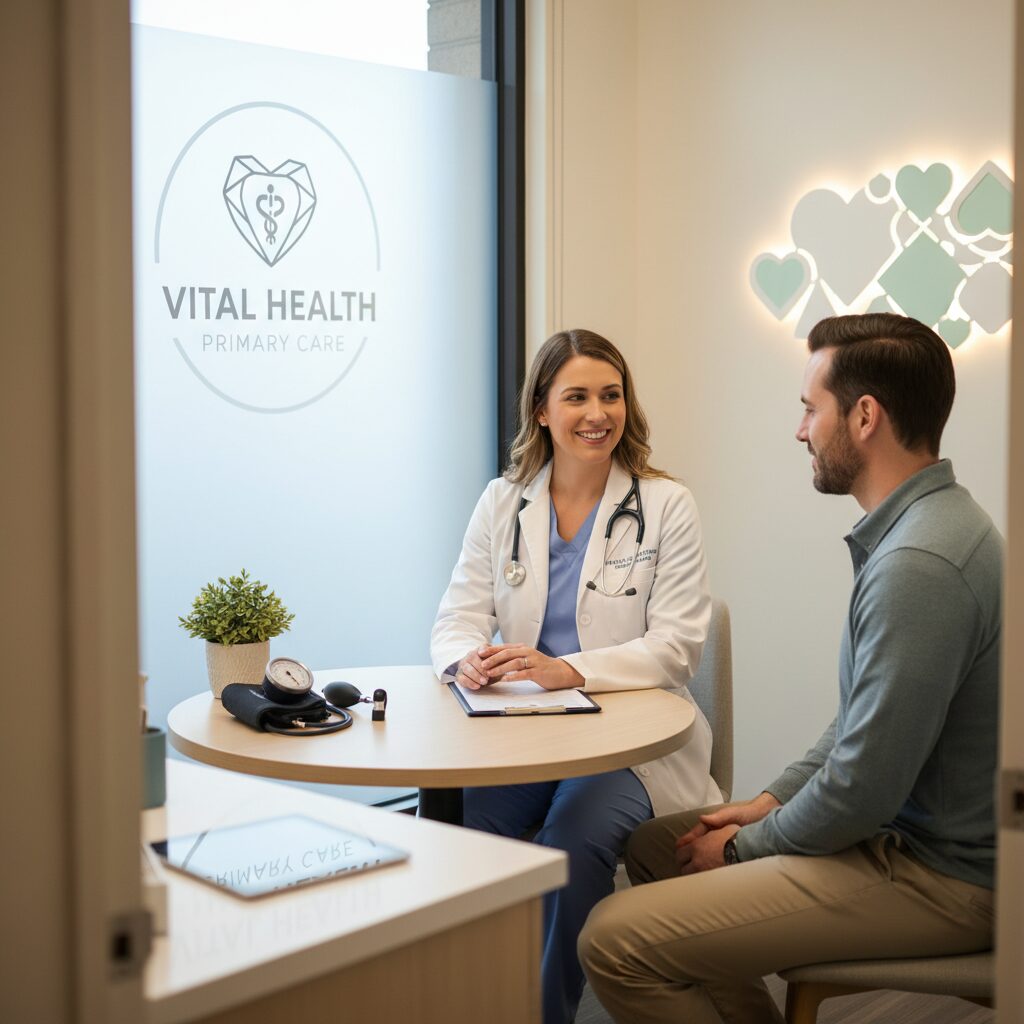
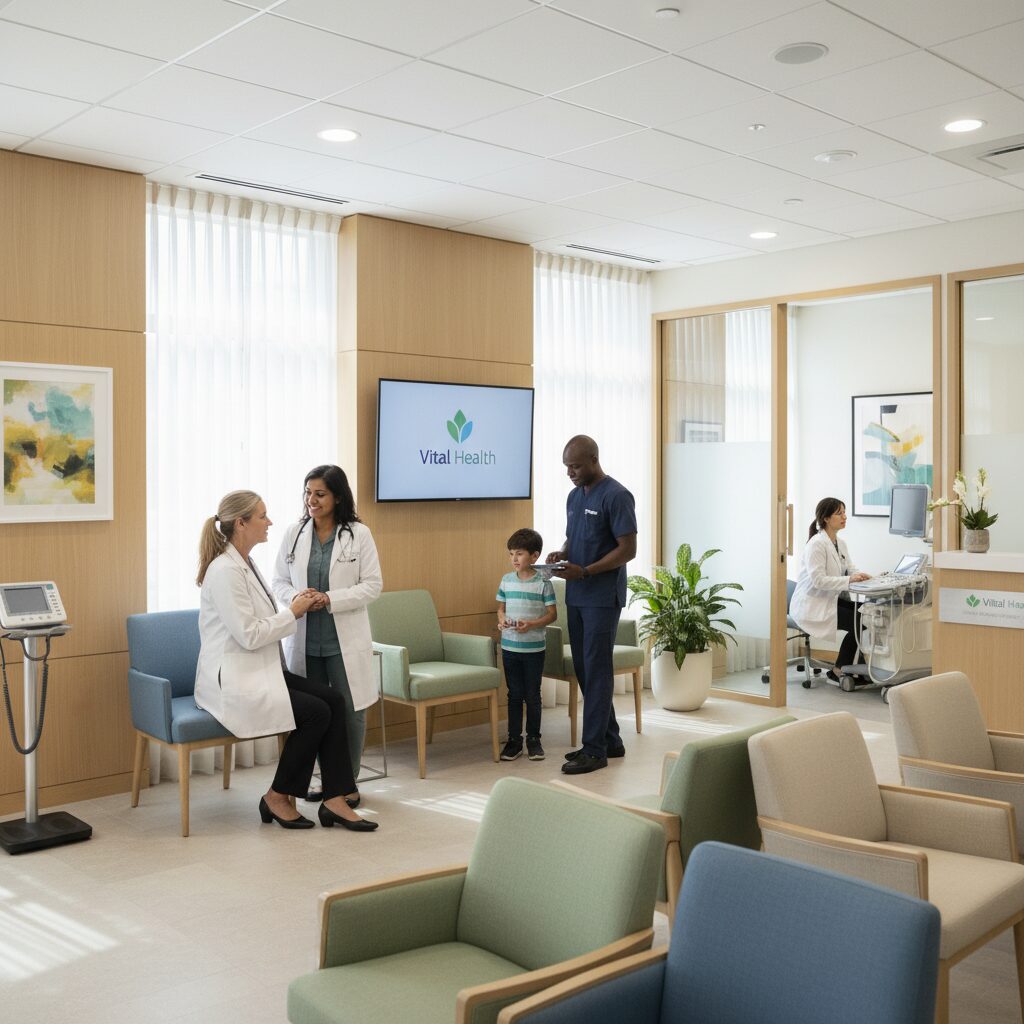
At Vital Health, primary care is built around the idea that you deserve a trusted healthcare home, not just a place to get prescriptions refilled. That means:
- A defined care team that knows you, not just your chart
- Proactive outreach for preventive care, chronic disease check ins, and lab follow up
- Support navigating referrals, imaging, or hospital care so you are not left on your own
This approach mirrors the best features of integrated systems, such as Ballad Health’s focus on comprehensive care for children, adults, and seniors, with personalized plans and coordinated services [3]. The difference is that Vital Health aims to offer that level of coordination in a more personal, relationship focused environment.
Continuity of care as a design principle
Instead of simply assigning you to the next available clinician, Vital Health emphasizes long term continuity through its retained patients clinic model. You are encouraged to choose a primary clinician, and the practice organizes scheduling, communication, and documentation around that relationship.
As a result, you do not need to re explain your story at each visit. Your provider tracks trends in your health over time, such as changes in blood pressure or mood, and can recognize subtle shifts that might signal early problems. For chronic conditions, that continuity can mean fewer hospitalizations and better overall control.
Continuity also shows up in how your information flows. After a referral, test, or emergency visit, your Vital Health clinician reviews the results, updates your plan, and reaches out if changes are needed, which is the kind of integrated care provider coordination patients often struggle to find elsewhere.
Hybrid care that fits your life
Vital Health combines in person visits with robust telehealth services as a deliberate hybrid clinic telehealth & in person strategy. For you, that means:
- In person visits when physical exams, procedures, or vaccines are needed
- Secure video visits for follow ups, medication checks, or quick questions
- Messaging and remote monitoring options when appropriate
This model takes cues from organizations like Sutter Health, which offers a mix of traditional appointments, urgent care, and video visits to fit different schedules and needs [2]. At Vital Health, telehealth is not an afterthought. It is integrated into scheduling, care plans, and documentation, so you receive the same standard of care no matter how you connect.
If you value the convenience of a top rated telehealth provider but do not want to lose the relationship and hands on assessment that come with in person care, this hybrid approach can be a significant advantage.
Boutique feel, comprehensive capability
Vital Health blends the personal attention of a boutique primary care provider with the breadth of services you expect from a larger practice. Visit length is designed to allow meaningful conversation, and panel sizes are managed so clinicians are not pressured to rush.
At the same time, you still have access to:
- Preventive screenings and annual wellness visits
- Chronic disease management built on current guidelines
- Mental health support and coordination
- Specialist referrals with ongoing primary care oversight
The goal is to provide a premium primary care experience without sacrificing practicality. You should feel that your visits are both comfortable and productive, with clear next steps and follow up.
Measurable quality and patient satisfaction
Vital Health does not rely only on internal impressions of quality. The clinic tracks and shares performance on measures such as:
- Preventive screening rates, such as blood pressure checks, cancer screenings, and vaccinations
- Chronic disease control metrics, like diabetes A1c levels or asthma control scores
- Timeliness of follow up after abnormal tests or emergency visits
This commitment is consistent with how high performing systems measure preventive care, such as the annual wellness visits and screening programs used at Ballad Health’s Kingsport clinic [3].
In addition, Vital Health actively collects and reviews patient feedback, using it to strengthen its position as a high patient satisfaction clinic. If you want to understand what other patients have experienced, you can explore stories and reviews through its patient testimonials clinic resources.
Clear differentiators you can see and feel
Many clinics advertise “comprehensive care” and “personalized service.” Vital Health aims to make its clinic differentiators primary care concrete and visible in everyday interactions. For example, you can expect:
- Direct, timely responses from your care team, not just automated messages
- Thoughtful explanations of options, with time to weigh risks and benefits
- Coordination support when you need imaging, specialist care, or community resources
- Respect for your preferences, culture, and family circumstances
In a crowded market where thousands of family medicine clinicians and hundreds of hospitals provide primary care services, as seen in states like Kentucky with more than 2,400 doctors and 401 affiliated hospitals [4], clear differentiation matters. Vital Health’s goal is to stand out not only through marketing, but through daily follow through on what it promises.
When you evaluate a primary care clinic, focus less on who is closest and more on who consistently shows up for you, in person and virtually, over years rather than visits.
How to compare your options step by step
To make your decision more concrete, you can walk through a simple process using the clinics you are considering.
List your top 3 to 5 options
Use “best primary care clinic near me” search results, your insurance directory, and trusted recommendations from friends or other clinicians.Check basic fit and logistics
Confirm location, accepted insurance, available clinicians, and office hours. Make sure at least one option offers hybrid care comparable to a hybrid clinic telehealth & in person model.Review services and scope
Look on each clinic’s website for preventive care, chronic disease management, mental health support, and specialty coordination. Make sure they align with your current conditions and likely future needs.Look at patient experience signals
Read reviews on platforms like Healthgrades, paying attention to themes about communication and follow up [4]. Check whether the clinic highlights being a quality primary care practice or award winning clinic and how it backs up that claim.Evaluate communication and access
Call the office with a simple question, such as how to become a new patient or how telehealth works. Notice how quickly and clearly staff respond.Schedule an introductory visit
Use your first visit to see how well the clinician listens, how they explain your health picture, and how comfortable you feel asking questions. Trust your impression. If the fit is off, it is reasonable to try another option.Notice what happens after the visit
See how quickly test results come back, whether you receive a summary or care plan, and how easy it is to schedule follow ups or send questions through the portal.
As you move through these steps, consider how closely each practice aligns with what you want in a trusted family doctor clinic. That alignment, more than any single feature, will determine how well your primary care home serves you over time.
Bringing it all together
The best primary care clinic near you is one that combines access, clinical excellence, and a human connection that respects your time and your story. Local examples from systems like Virtua, Sutter Health, and Ballad Health show what strong primary care can look like at scale, with extended hours, coordinated referrals, and robust digital tools [5].
Vital Health is designed to deliver that same level of comprehensive, integrated care in a setting that feels more personal and relationship centered. Through continuity, hybrid care, measurable quality, and a focus on long term partnership, it aims to be not just another clinic on your search list, but your ongoing trusted healthcare home.
As you make your decision, keep your own needs at the center. Clarify what matters most to you, then choose the clinic that can prove, in clear and practical ways, that it is ready to support you for the long term.