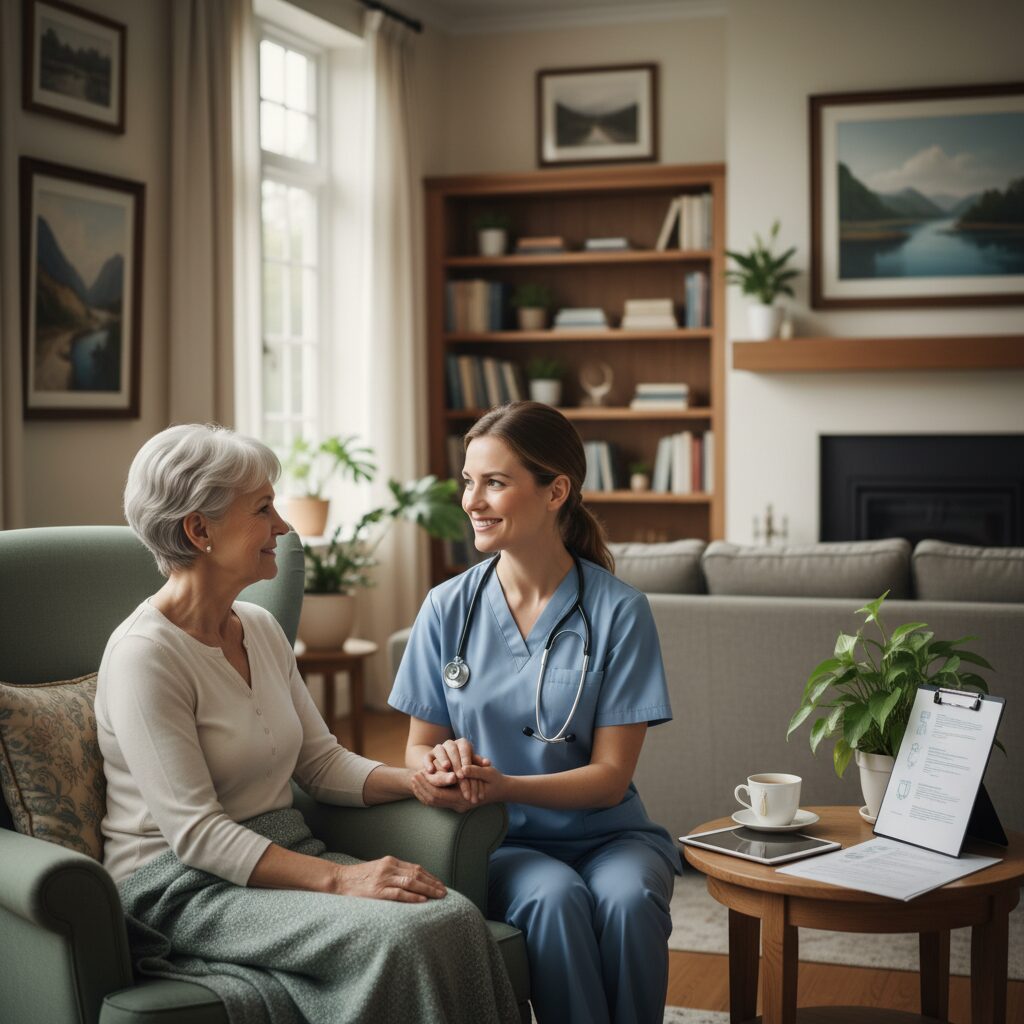
Understanding what a trusted healthcare home really means
When you look for a trusted healthcare home, you are searching for more than a place to get an annual physical or a prescription refill. You are deciding who will guide you through everyday health needs, urgent issues and long term prevention.
Healthcare models like the Patient Centered Medical Home were created to coordinate care across different providers and settings so you are not left managing everything on your own. The American Academy of Pediatrics first introduced this concept in 1967 to solve fragmented care for children with special health needs, and it has since evolved into a broad primary care standard focused on continuity, coordination and safety [1].
Your trusted healthcare home applies those principles directly to your life. It becomes the place that knows you best, connects the dots between specialists and services and helps you make informed choices instead of piecing together care visit by visit.
Why a healthcare “home” is smarter than one off visits
Choosing a trusted healthcare home rather than hopping between walk in clinics or urgent care centers affects almost every part of your experience.
In a true healthcare home, you build an ongoing relationship with a primary clinician who leads a team focused on you. Major medical organizations define this model as comprehensive, coordinated, accessible and centered on quality and safety [1]. That means:
- Your history, medications and preferences are known and kept current
- Your care is coordinated when you see specialists or need imaging or procedures
- You have easier access for questions, follow ups and early concerns
- You are not responsible for managing complex medical details alone
This relationship driven approach also helps reduce the stress that comes from repeating your story, revisiting the same lab work or navigating insurance issues across disconnected providers. Over time, your healthcare home becomes one of your key supports, not just a place you visit when something is wrong.
If you are evaluating options, looking at a quality primary care practice that is organized as a healthcare home can give you more stability and clarity than a series of stand alone appointments.
How continuity of care protects your long term health
Continuity is at the core of a trusted healthcare home. You are seen by the same clinicians and care team over time, which changes the way problems are spotted and addressed.
Research frameworks for the Patient Centered Medical Home highlight how continuity, team characteristics and practice culture all influence outcomes and the long term success of care models [2]. In practice, this continuity helps you in several concrete ways.
When your provider knows you well, small changes stand out. A slight shift in your blood pressure trend, a new pattern in your sleep, or a subtle change in mood is more obvious against the backdrop of years of visits. This allows earlier intervention for conditions like hypertension, diabetes, depression or anxiety before they escalate.
Continuity also simplifies care for chronic conditions. It is easier to adjust medications safely, track side effects and maintain realistic plans when you work with the same team consistently. Practices that invest in continuity often function as a continuity of care provider, intentionally designing their schedules, communication tools and care teams to keep you connected to familiar clinicians.
Finally, continuity builds trust. When you feel comfortable being open about symptoms, lifestyle and concerns, you receive care that is more accurate and more aligned with your goals.
What team based care looks like for you
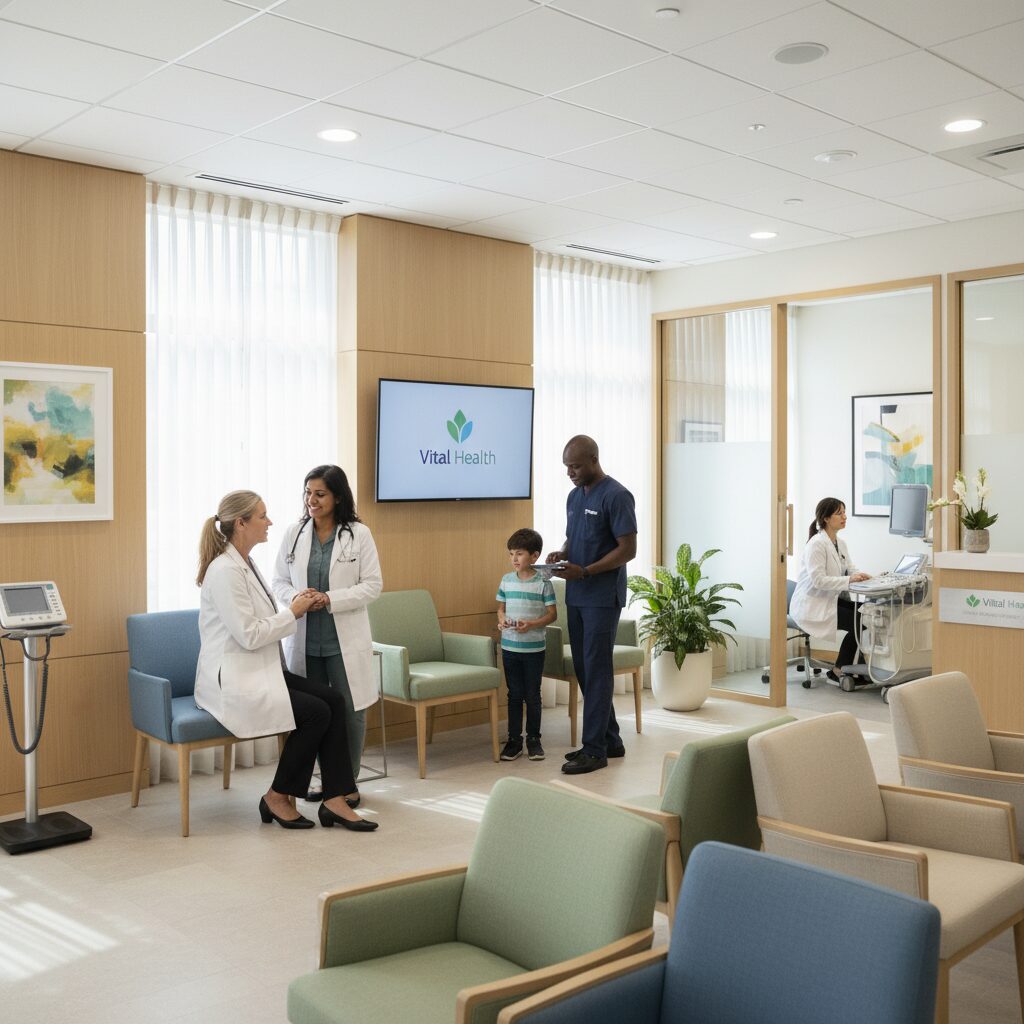
A trusted healthcare home does not rely on one clinician doing everything. Instead, it uses team based care so each professional works at the top of their training, while your primary clinician stays focused on diagnosis, complex decisions and relationship building.
In patient centered medical home models, non physician team members handle education, follow up, screening reminders and many routine protocols under clinician direction. This division of work has been shown to improve both efficiency and satisfaction for physicians and patients [1].
For you, team based care can mean:
- Nurses or medical assistants helping with preventive screenings, vaccinations and chronic disease check ins
- Care coordinators arranging specialist visits, sharing records and closing the loop after you see another clinician
- Behavioral health specialists available when stress, anxiety or mood affect your physical health
- Administrative support that understands your insurance and helps you navigate authorizations or referrals
Strong practices build time into their schedules for team meetings and reflection. Studies of real world medical home pilots show that teams that regularly meet, review cases and clarify roles communicate better and create more relationship centered cultures [3].
A clinic that operates as an integrated care provider makes this team dynamic visible to you. You are introduced to the people behind your care, you know who to contact for specific issues and you see that the team is coordinated rather than working in parallel.
The role of bedside manner in building trust
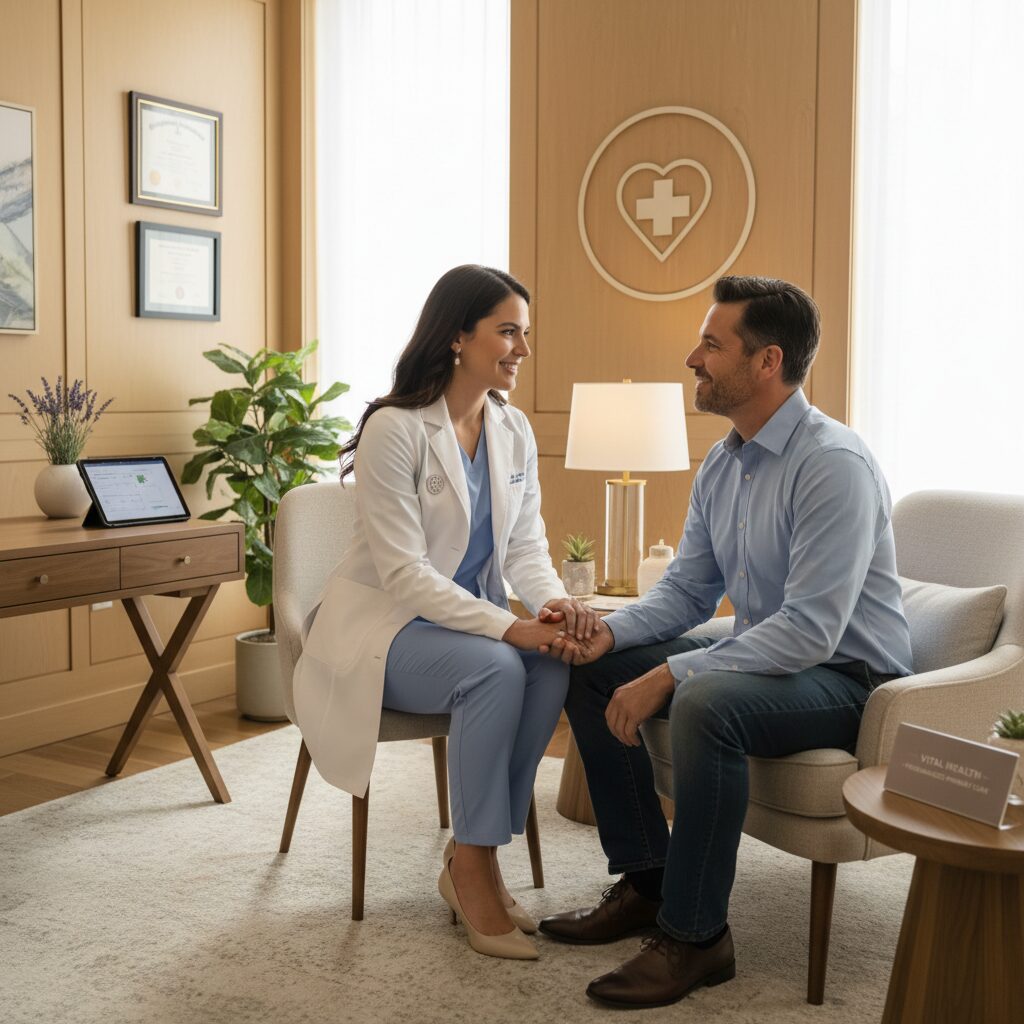
Clinical skill matters, but bedside manner shapes your experience every time you walk through the door or log into a visit. In a trusted healthcare home, you should feel heard, respected and invited into decision making.
Relationship centered models emphasize listening, empathy and shared understanding, not just documentation. When practices in New Hampshire transformed into more relationship centered medical homes, they did so by creating structured time for reflection and sense making among their teams, which improved communication and empowered staff to engage more fully with patients [3].
For you, strong bedside manner shows up in small but important ways. Your clinician looks up from the screen, asks open questions, summarizes what you said to confirm understanding and checks how comfortable you feel with the plan. The tone is collaborative rather than directive.
If you place a high value on personal connection, you might look for a boutique primary care provider or premium primary care experience that intentionally keeps panels smaller so visits are less rushed and conversations can go deeper.
Why a hybrid of telehealth and in clinic care is a smart choice
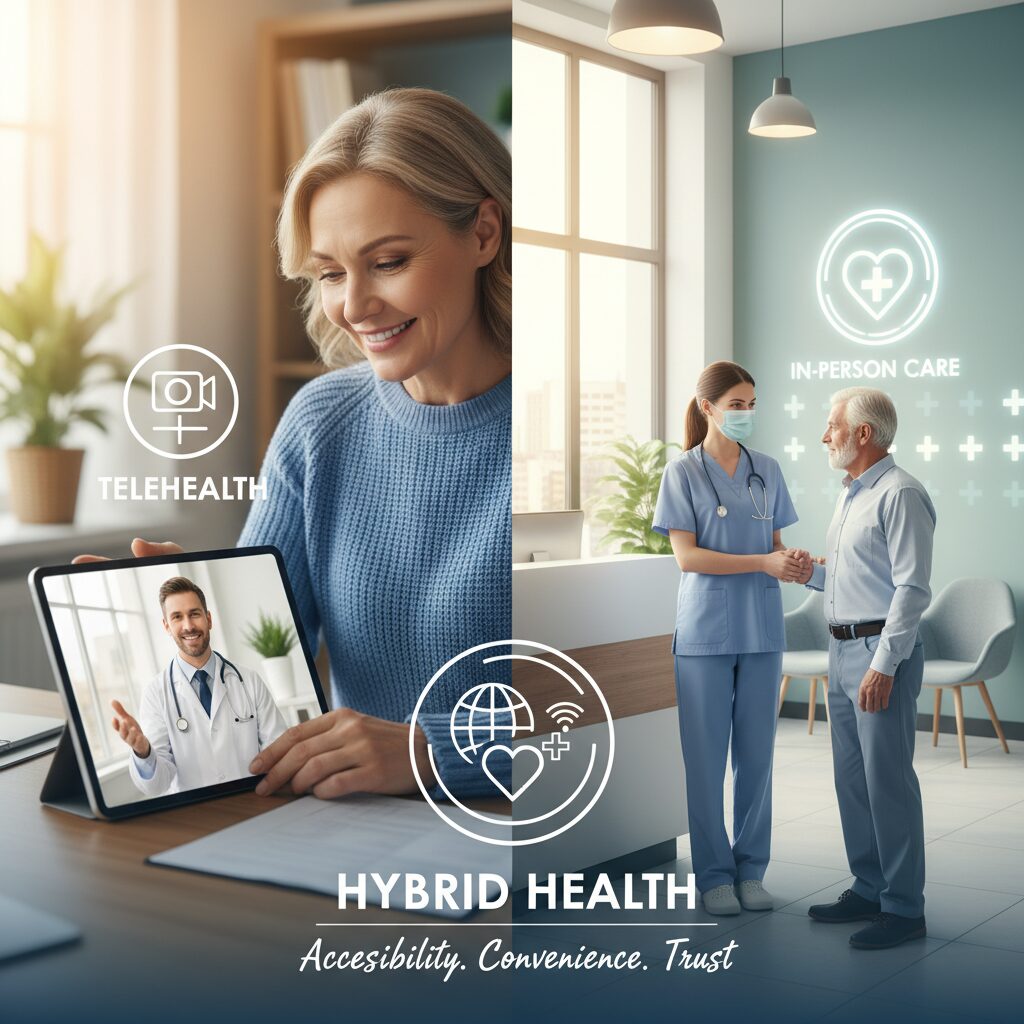
Your life is not built around clinic hours, and your care should not be either. A modern, trusted healthcare home combines telehealth with in person visits so you can get the right kind of help at the right time.
Telehealth became more common during the COVID 19 pandemic and has remained an important tool because it improves access and flexibility. When virtual visits are integrated into a broader care model, they support faster follow up, easier chronic disease management and more frequent touchpoints without added travel.
A strong hybrid model looks like this:
- In person visits for exams, vaccinations, procedures and initial assessments
- Secure video or phone visits for follow up, medication adjustments, minor acute concerns and question based visits
- Messaging or portals for quick clarifications that do not require a full appointment
When you choose a hybrid clinic telehealth & in person that also serves as a top rated telehealth provider, you get the convenience of virtual care without losing continuity. Your telehealth visits are with the same clinicians who see you in the office, and your record is updated in one shared system.
This hybrid approach matters more as home based healthcare grows. Home health services and hospital at home models show that care delivered in familiar settings can improve comfort, safety and outcomes. For example, hospital at home programs have demonstrated lower readmission rates, fewer complications and higher satisfaction compared to traditional inpatient stays in several settings [4].
How coordinated care saves you time, stress and cost
Healthcare fragmentation is costly, both financially and emotionally. A trusted healthcare home is structured to reduce that fragmentation by coordinating across services and settings.
The Agency for Healthcare Research and Quality describes modern medical homes as complex organizational models that require alignment across provider networks, insurers and systems to truly deliver coordinated, high quality and safe care [2]. That level of coordination shows up for you in several ways.
Your primary clinic tracks referrals, receives specialist notes and updates your plan so information is not lost between offices. When you are discharged from the hospital or an emergency department, your healthcare home reaches out for follow up, reviews medication changes and helps you understand what comes next.
Beyond primary care, home based models demonstrate the benefits of structured coordination. Integrated home care organizations act as single points of contact for members, health plans and providers, improving outcomes and reducing complexity in home health environments [5]. Medicare and private insurers increasingly support home health as a cost effective alternative to facility care, and close collaboration between home health teams and primary care clinicians has been shown to reduce hospitalizations and improve chronic disease control [6].
When your primary clinic functions as your coordination hub, you spend less time repeating information and chasing records, and you have a clearer picture of how each part of your care fits together.
Measurable quality, not just promises
Trust grows when you see real results, not just marketing language. As you compare clinics, it is worth looking at quality metrics and independent recognition alongside personal impressions.
Studies of patient centered medical home models have reported benefits like lower overall costs, higher care quality, better access and improved coordination for patients and payers alike [1]. Financial reforms such as MACRA have also created incentives for practices that meet advanced care standards and share savings through better management of chronic conditions and preventive care.
At the clinic level, you can look for:
- High ratings and reviews that mention communication, responsiveness and clear explanations
- External recognition as an award winning clinic or participation in quality improvement programs
- Evidence of being a high patient satisfaction clinic, such as published patient experience scores or testimonials
- Clear reporting on preventive care rates, chronic disease control and follow up timeliness
A practice that tracks and shares its quality data is showing you that it takes accountability seriously. Combined with the lived experiences in a patient testimonials clinic, those numbers help you gauge whether the clinic delivers on its promises.
When you evaluate a potential healthcare home, ask not only “Do I like this provider” but also “Can I see evidence that this clinic consistently delivers safe, coordinated and patient centered care over time”
Financial clarity and smart use of resources
While your health is the priority, cost is a practical factor in every healthcare decision. A trusted healthcare home helps you use your benefits wisely instead of defaulting to expensive settings when they are not necessary.
Models like primary care medical homes and coordinated home care have demonstrated shared savings for payers without reducing quality, largely by preventing avoidable hospitalizations and emergency visits [7]. Home health care, for example, often supports faster recovery with fewer complications at lower cost than facility based care for older adults and people with chronic conditions [8].
Your healthcare home can guide you toward the most appropriate setting for each situation, whether that is:
- A same day primary care visit instead of the emergency department for non life threatening issues
- A telehealth follow up instead of an urgent care visit for medication questions
- Home health or rehabilitation support after hospitalization instead of an extended facility stay
Financial transparency, help understanding your coverage and a proactive approach to prevention and chronic disease management all contribute to lower lifetime costs and fewer financial surprises.
How Vital Health functions as your trusted healthcare home
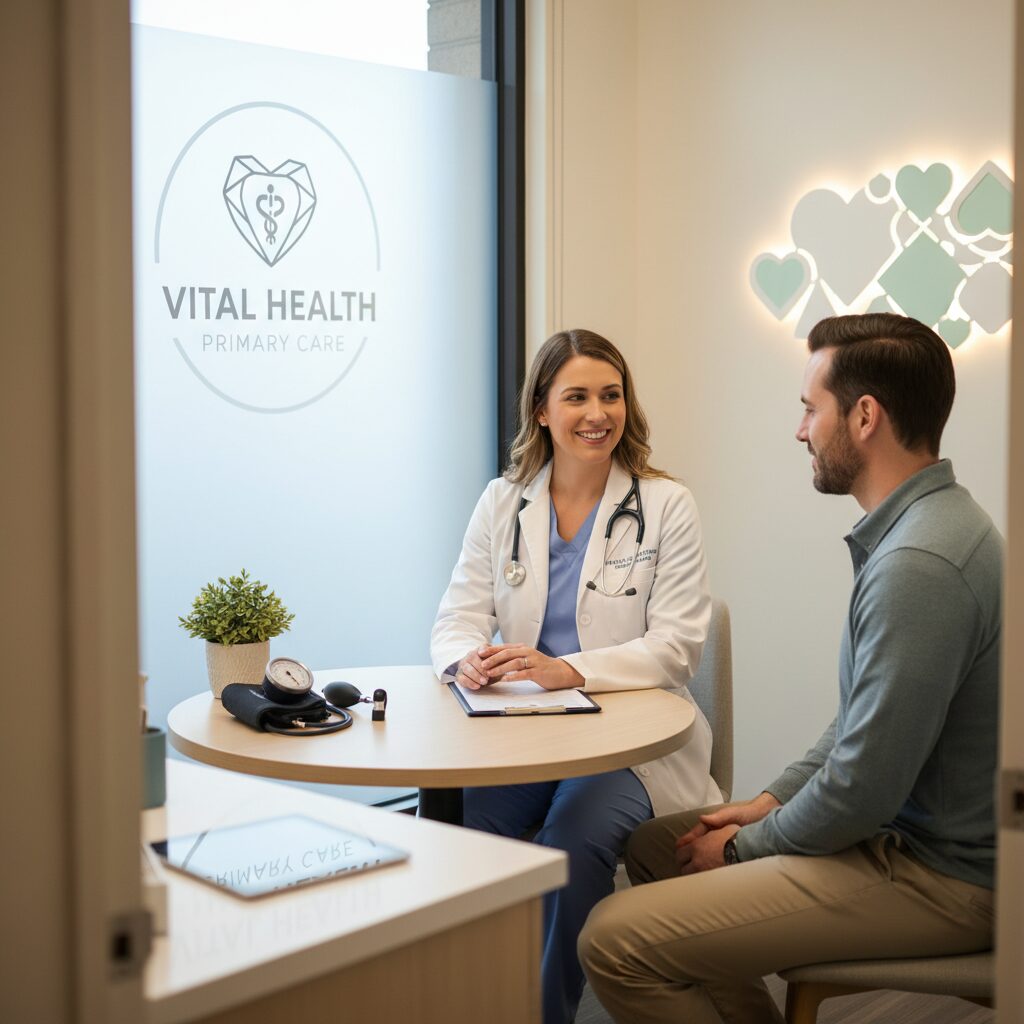
When you choose Vital Health, you are not just choosing a location, you are choosing a model of care designed to be your trusted healthcare home. Every part of your experience is built around continuity, coordination and a high level of personal attention.
Vital Health focuses on strong, ongoing relationships that resemble the experience you expect from a trusted family doctor clinic. Your care is led by clinicians who get to know your history, your preferences and your goals. That relationship is then supported by a coordinated team using evidence based protocols, modern technology and a hybrid telehealth plus in person structure.
Key ways Vital Health differentiates itself include:
- A blended model of in clinic and virtual visits so you can access care on your schedule
- Emphasis on bedside manner and clear communication, so you feel comfortable asking questions and sharing concerns
- Structured care coordination for referrals, imaging and post hospital follow up, reducing the burden on you and your family
- Commitment to quality metrics and patient feedback, reflected in our focus on being a retained patients clinic where people choose to stay year after year
If you are comparing options like the best primary care clinic near me, Vital Health stands out by combining the warmth of a neighborhood practice with the structure and standards of a modern medical home.
Choosing the healthcare home that fits you best
Selecting a trusted healthcare home is a personal choice. To find the clinic that aligns with your priorities, it can help to ask yourself a few practical questions:
- Do you feel comfortable with the clinicians and staff, and do they listen without rushing you
- Is there a clear plan for telehealth and in person care, or do you feel like you are piecing together services on your own
- Does the clinic actively coordinate referrals, tests and follow up, or are you left to manage those details
- Can you easily access your records, ask questions between visits and get timely responses
- Does the clinic show evidence of quality, patient satisfaction and continuous improvement
A practice that can answer “yes” to those questions is likely to function as a reliable healthcare home rather than a collection of disconnected visits. If you are ready to establish that kind of long term relationship with your care team, exploring clinics that highlight strong clinic differentiators primary care and a comprehensive, relationship centered approach is a logical next step.
Over time, a trusted healthcare home becomes one of the most important investments you make in your wellbeing. It supports you through routine care, unexpected illness and long term health goals, so you can focus more on living your life and less on managing the healthcare system.