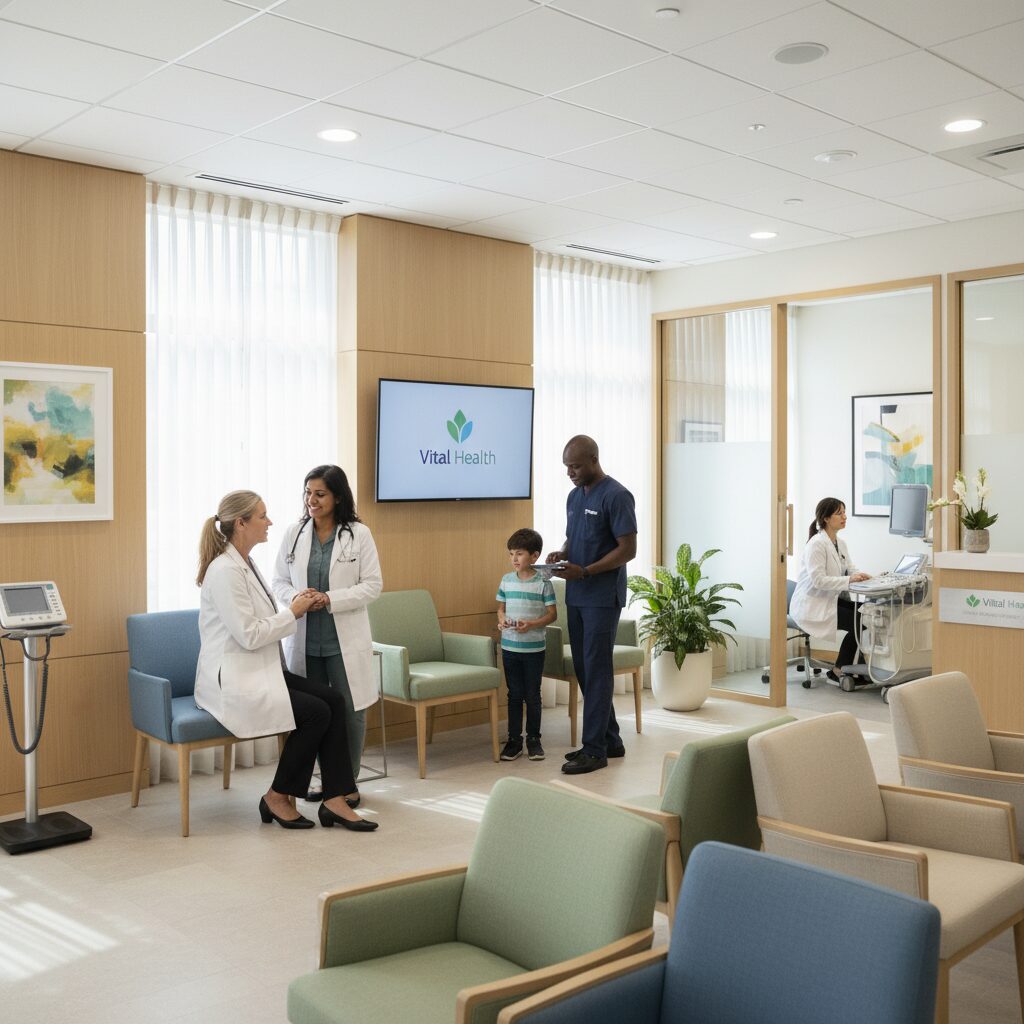

What an integrated care provider really means for you
When you choose an integrated care provider, you are not just picking a clinic. You are choosing a way your health will be managed over years and across life events. Integrated care brings together your physical health, mental health, medications, specialists, and even social factors into one coordinated approach so you are not left to connect the dots on your own.
Integrated care is defined as healthcare that unites psychological, biological, social, community, and economic factors in a single framework, with professionals working together to address your whole experience, including your family and community as partners [1]. When that model is at the core of your primary care, you get a very different quality of care than you find in most traditional practices.
How integrated care improves your daily experience
Fewer handoffs, more continuity
In a fragmented system, you repeat your story at every visit, fill out the same forms, and hope that one provider reads what another wrote. An integrated care provider is built around continuity. Your medical history, test results, treatment plans, and follow ups live in one connected record that your care team uses together.
A large review of integrated care initiatives found that models centered around primary care significantly improve two core functions of good medicine: access to care and continuity over time [2]. That continuity shows up in small but important ways for you. Your doctor remembers your preferences, your counselor sees your lab trends, and your care manager knows which specialists you already saw and what they recommended.
If you value long term relationships and consistent follow up, connecting with a continuity of care provider can be one of the most important choices you make for your health.
One team, shared goals
Integrated care teams typically include physicians, nurse practitioners, physician assistants, behavioral health specialists, care managers, pharmacists, and sometimes peer support counselors, all working from a shared playbook [1]. Instead of you acting as the go between, your team coordinates directly.
That shared approach lets your providers:
- Plan care together instead of in silos
- Spot interactions between conditions, like anxiety affecting blood pressure
- Adjust your treatment faster when something is not working
Over time, this teamwork leads to fewer mixed messages, fewer duplicate tests, and a clearer path for you to follow.
Better health outcomes backed by evidence
Improved management of chronic conditions
If you live with diabetes, heart disease, asthma, or another long term condition, you know that good care is rarely about one appointment. Interdisciplinary team based care, where multiple professionals coordinate around you, has been shown to improve self management and health outcomes for chronically ill patients in multiple countries [3].
When your integrated care provider:
- Tracks your labs and symptoms in a shared registry
- Builds one plan that includes medications, nutrition, activity, and mental health
- Checks in regularly by phone, secure messaging, or telehealth
you are more likely to understand your plan, stick with it, and see results.
Fewer emergency visits and hospital stays
Quality does not just mean feeling better today. It also means avoiding preventable crises in the future. Integrated behavioral health and primary care models have demonstrated reduced emergency department visits, fewer hospital admissions, and lower costs across adults and children, with collaborative care showing the strongest effects [4].
For you, that can look like:
- Addressing depression early so it does not derail your diabetes control
- Getting support for medication adherence so you do not end up in the hospital
- Having a same day telehealth visit that prevents an ER trip at night
Systems that invest in integrated care, like Intermountain Healthcare, have achieved clinical improvements while lowering costs per person through team based models [4]. Those savings can translate into better access and services for you over time.
Whole person care that includes mental health
Behavioral health in primary care, not a separate system
In many clinics, mental health is an afterthought or a separate referral that you have to arrange on your own. In an integrated care provider model, behavioral health is built into primary care from the start.
There are two common approaches:
- Primary Care Behavioral Health (PCBH), where behavioral health consultants work in real time alongside medical providers in the clinic to support both mental and physical health issues [1]
- The Collaborative Care Model (CoCM), where a psychiatric consultant and a care manager support your primary care clinician in managing depression and other conditions using evidence based treatments and a patient registry [1]
These models make it easier for you to get screening, brief therapy, and medication support without waiting months for an outside appointment. They also reduce repeat visits and readmissions by treating underlying psychiatric needs that might otherwise go unnoticed [5].
Less stigma, more support
When mental health is part of normal primary care, you are not singled out or sent somewhere unfamiliar. You talk with people you already know and trust. That can make it easier to share what you are really experiencing.
Teams that practice integrated care routinely:
- Screen for depression, anxiety, and substance use during regular visits
- Include family or loved ones in care planning when you want that support
- Offer both in person and virtual follow ups, which can be less intimidating
This kind of whole person approach is the foundation of a trusted healthcare home that supports your emotional and physical wellbeing in the same place.
The power of hybrid care, in clinic and online
Flexible access without losing relationship
True integrated care uses technology to connect, not replace, your care team. Telehealth and remote tools make it easier for you to get timely help, while in person visits stay available when you need hands on care or exams.
Technology can:
- Deliver remote assessments and behavioral health screenings
- Automate data collection like symptom scores and home readings
- Move behavioral health information directly into your electronic record
all of which reduces provider workload and keeps your care coordinated [5].
If you are comparing options, look for a hybrid clinic telehealth & in person model that lets you combine video visits, secure messaging, and office appointments without feeling like you are dealing with separate systems.
Top rated telehealth as part of real continuity
Not all virtual care is equal. Some telehealth services are one off visits with a stranger who will never see you again. Integrated telehealth connects you with your own team, who sees your full record and can update your plan right away.
A top rated telehealth provider that is fully integrated into your primary care can give you:
- Same day access for urgent questions or minor illnesses
- Regular follow up for chronic conditions without extra travel
- Behavioral health check ins between in person sessions
That combination helps you stay on track with your care plan and keeps small issues from turning into major problems.
What sets an integrated primary care clinic apart
Coordinated primary care at the center
The quality of your integrated care starts with primary care that is strong, consistent, and relationship focused. Primary care centered integrated models use multidisciplinary teams and home visits, along with financial approaches like bundled payments or capitation, to support better coordination and capacity in primary care [2].
When you visit a quality primary care practice built on this model, you are likely to notice:
- Longer term relationships with clinicians who know your history
- Proactive outreach for screenings and follow up
- Clear explanations of your options and shared decision making
This kind of structure lets your care be personalized instead of transactional, even when multiple specialists are involved.
Premium experience without losing warmth
You may be drawn to a premium primary care experience for the amenities and access. The real differentiator is how that premium model is used. In an integrated setting, more time and better tools translate into better listening, more thorough assessments, and tailored care plans.
Some clinics operate as a boutique primary care provider with smaller panels, which can make it easier to:
- See the same clinician most of the time
- Have complex issues addressed in one visit instead of many
- Receive follow ups that feel personal, not automated
When those features are paired with strong team based integration and clear quality metrics, you get both comfort and clinical excellence.
Why bedside manner still matters for quality
Relationship as a clinical tool
Research on integrated care highlights coordination, continuity, and improved access, and those are measurable outcomes. What you feel most directly, though, is how you are treated at each visit. Hospitals and clinics that score in the top tier for patient experience also see lower readmission and mortality rates, linking bedside manner to hard clinical results [6].
A high patient satisfaction clinic focused on integrated care tends to:
- Invite your questions and make sure you understand your options
- Include you in decisions instead of talking over you
- Respect your time, identity, and preferences
Those interactions build trust, which makes you more likely to follow through on your plan and to reach out early when something changes.
Patient stories that guide your choice
When you compare providers, numbers tell part of the story and real patient experiences tell the rest. Reading about how people like you felt heard, how their care team coordinated around a complex diagnosis, or how telehealth visits made it easier to stay on track can help you picture your own experience.
Exploring a patient testimonials clinic gives you insight into:
- How well the team communicates across visits and specialties
- Whether patients feel supported between appointments
- How the clinic handles unexpected challenges or complications
Those stories can show you how integrated care works in everyday life, not just on a list of services.
Proven results and system level benefits
Quality, cost, and your long term care
You might not feel system level changes directly, but they shape what is available to you. Integrated care models have been linked with:
- Lower use of avoidable high cost services like emergency visits and readmissions, which frees up resources for improved access and virtual care [6]
- Significant savings in programs that combine payment reform with integrated care, such as projected hundreds of millions in savings for one million patients in Colorado [7]
- Measurable reductions in per user per month healthcare costs in community based integrated case management programs [7]
For you, that can mean more stable access, fewer coverage disruptions, and health systems better able to invest in new services, technology, and staff.
Workforce built around your needs
Effective integrated care also depends on how clinics staff and support their teams. Centralized, data driven workforce planning and flexible staffing, like using travel nurses when needed, help maintain safe staffing levels and positive patient experiences [6].
Clinics that aim to be an award winning clinic in integrated care often:
- Balance permanent staff, float pools, and flexible support to prevent burnout
- Train their teams in interdisciplinary skills and collaborative care methods [3]
- Use technology to reduce administrative burden so clinicians can focus on you [5]
A sustainable workforce means you are less likely to face constant turnover and more likely to build lasting relationships with your care team.
Integrated care is not a single service or technology. It is a culture where everyone involved in your health works from the same map and walks with you in the same direction.
How to evaluate integrated care when choosing a provider
When you look for the best primary care clinic near me, it helps to know what questions point to true integration instead of just a long services list.
Ask yourself:
- Does this clinic clearly describe how primary care, mental health, and specialty care work together?
- Is there a mix of in person and telehealth options that feels practical for your life?
- Are quality metrics and patient satisfaction results shared openly?
- Do patient stories reflect long term relationships and continuity of care?
You can also review clinic differentiators primary care materials to understand how each provider defines its strengths.
Over time, the right integrated care provider can become your trusted family doctor clinic and your ongoing trusted healthcare home, not just a place you visit when something is wrong. Retention and long term relationships at a retained patients clinic are strong signs that patients feel supported enough to stay.
Choosing integrated care is ultimately about choosing quality. You are selecting a team, a way of working, and a commitment to see you as a whole person across every stage of your life.