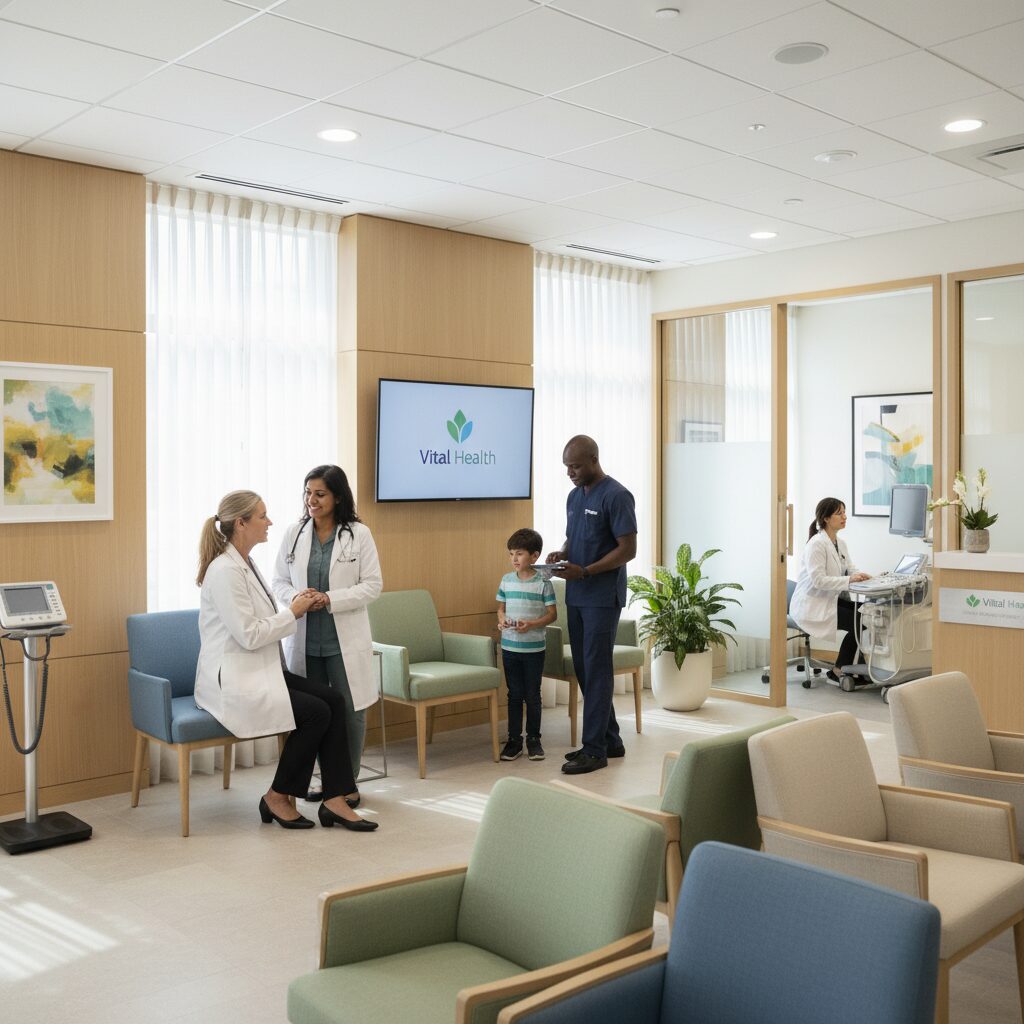

When you seek counseling services in clinic, you want mental health support that fits smoothly into your overall care. Integrated mental health services bring counseling, psychiatric evaluation, and wellness planning into primary care or telehealth settings, so you can address emotional and behavioral needs without multiple referrals or long wait times. In this guide you’ll learn how integrated models work, what counseling options are available in clinic, how to compare in-person and virtual care, ways to manage cost and coverage, and tips for preparing your first visit.
Understand integrated mental health
Integrated mental health means embedding therapy, counseling and psychiatric support right alongside your medical care. Instead of being referred out, you can receive behavioral health interventions during primary care visits or through dedicated clinic programs.
Key features of integration
- Collaborative teams: primary care providers, therapists and psychiatrists work together
- Shared records: your mental health notes and medical history reside in one chart
- Real-time referrals: you see a counselor or undergo a psychiatric evaluation primary care without extra paperwork
- Consistent screening: tools like depression screening primary care and anxiety check-ins identify issues early
Benefits for you
- Convenience: fewer appointments at separate locations
- Reduced stigma: mental health becomes part of routine care
- Faster access: same-day or next-day counseling slots
- Better outcomes: coordinated treatment improves symptom management
Integrated models such as therapy + primary care practice and primary care behavioral health integration shorten waitlists and keep you engaged in both medical and behavioral care.
Explore clinic counseling services
Clinics offering counseling services in clinic typically employ licensed professionals who specialize in different therapy approaches. You may find:
- Mental health counseling: supports anxiety, depression, trauma and stress management [1]
- Marriage and family counseling: addresses communication, conflict resolution and parenting challenges [1]
- Substance abuse counseling: offers individual and group sessions to foster recovery [1]
- Rehabilitation counseling: assists clients with disabilities in achieving personal and vocational goals [1]
- School or career counseling: helps with academic planning, social growth and career transitions [1]
How to choose a therapy approach
- Identify your goals: symptom relief, skill building or relationship improvement
- Review credentials: confirm the counselor’s license (LPCC, LCSW, LMFT) with your state board [2]
- Ask about modalities: cognitive behavioral therapy, mindfulness, family systems, motivational interviewing
- Consider specializations: trauma-informed care, youth counseling or geriatric mental health
If you need ongoing support between clinic visits, explore telehealth therapy services or a virtual counseling service to maintain continuity.
Compare in-person and virtual
Choosing between on-site counseling and telehealth depends on your needs, preferences and schedule.
| Feature | In-person clinic care | Virtual counseling |
|---|---|---|
| Setting | Private office within clinic | Secure video or phone from home |
| Personal connection | Face-to-face cues, room comfort | Flexible environment, less commuting |
| Appointment availability | Limited by office hours | Often extended hours evenings/weekends |
| Technology requirements | None | Reliable internet, device |
| Continuity with providers | Shared on-site notes | Electronic health record integration |
| Referral convenience | On-site warm hand-off | Same-day e-referral to psychiatrist |
Virtual options such as virtual mental health visits or behavioral health telemedicine may suit you if travel or time constraints pose a challenge. For anxiety care via remote sessions, see our guide on anxiety treatment via telehealth.
Navigate costs and coverage
Clinic-based counseling can be surprisingly affordable thanks to sliding-scale fees, community grants and integrated care models.
Low-cost clinic options
- Community counseling centers: sessions as low as $25 when you qualify for sliding scales [3]
- Federally Qualified Health Centers (FQHCs): accept Medicaid, Medicare, private insurance; may offer bundled monthly fees [3]
- University clinics: free or low-cost services by supervised trainees [4]
- Non-profit clinics: subsidized by grants, donations or state funding
Insurance and reimbursement
- Private insurance: many plans cover behavioral health in primary care; verify your mental health benefits
- Medicaid: accepted by clinics more often than private practices due to lower overhead [3]
- Employee Assistance Programs (EAPs): free short-term counseling, then discounted rates through your employer [5]
- Sliding-scale arrangements: private therapists may adjust fees based on income; ask about 30-minute sessions
By combining medical and counseling visits, integrated clinics help you avoid duplicate copays and maximize your benefits under both physical and mental health coverage.
Find your mental wellness provider
Locating the right counselor in a clinic setting is simpler with the right tools and resources.
Use trusted directories and tools
- Psychology Today directory: filter by location, specialties, payment options
- Theravive: searchable list of licensed therapists in clinical settings [6]
- SAMHSA Mental Health Facilities Locator: find outpatient, inpatient and residential clinics by ZIP code [6]
- Local Mental Health America affiliates: connect to community clinics in your region
You can also explore in-clinic programs like an integrated mental health clinic or connect with a mental wellness provider through your primary care office.
Questions to ask before you commit
- Are you licensed in your state and board-certified?
- What therapy approaches do you use?
- How do you coordinate with my primary care provider?
- What are your fees and cancellation policies?
- Can you integrate telehealth visits between in-person sessions?
Prepare for your session
Knowing what to expect can ease first-visit nerves and help you get the most from your counseling services in clinic.
Intake and assessment
- Complete paperwork on medical history, mental health symptoms and consent forms
- Discuss confidentiality, record sharing and billing procedures
- Undergo brief standardized screenings (PHQ-9 for depression, GAD-7 for anxiety)
Set clear goals
- Identify top concerns: mood, stress, relationships or substance use
- Determine session frequency: weekly, biweekly or as-needed check-ins
- Agree on outcome measures: improved sleep, anxiety reduction or coping skill development
Practical tips
- Arrive a few minutes early to complete any last-minute forms
- Bring a list of medications, past treatments and emergency contacts
- Note any immediate goals or questions you have for your counselor
Build integrated care plan
A successful integrated care plan keeps your medical and mental health goals aligned.
Collaborate with your care team
- Share session notes with your primary care provider to monitor medication interactions and side effects
- Attend joint case conferences or “warm hand-offs” between doctor and counselor [7]
- Use secure patient portals to exchange messages and track progress
Monitor ongoing needs
- Schedule regular depression screening primary care and anxiety check-ins
- Adjust your plan if you notice changes in mood, sleep or daily functioning
- Consider medication management alongside therapy if recommended by your psychiatrist
Leverage technology
- Use telehealth follow-ups through virtual counseling service or behavioral health telemedicine
- Try mental wellness apps recommended by your provider for skills practice
- Access crisis support when needed: dial 988 for the Suicide & Crisis Lifeline or 1-800-985-5990 for the Disaster Distress Helpline [5]
By engaging in an integrated approach you ensure your counseling services in clinic complement your overall health strategy, improving outcomes and making care more convenient. With coordinated screening, seamless referrals and a unified care team, you can focus on healing, resilience and long-term well-being.
References
- (Our Lady of the Lake University)
- (California Board of Behavioral Sciences)
- (OpenCounseling)
- (GoodRx)
- (NIMH)
- (Mental Health America)
- (primary care behavioral health integration)