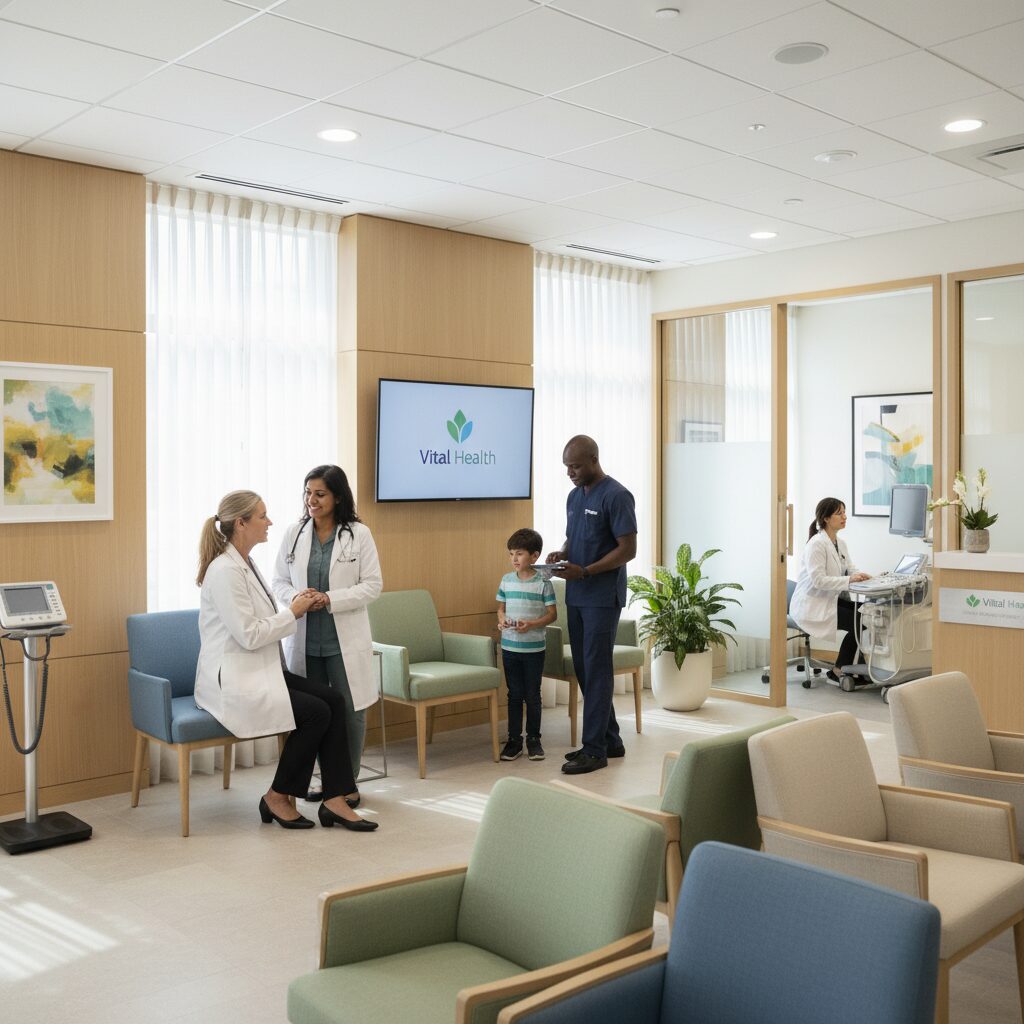

When you seek a psychiatric evaluation in primary care, you benefit from a comprehensive mental health assessment in a familiar setting. A psychiatric evaluation primary care model integrates behavioral health support with your physical care, so you can address both mind and body in one visit. Many clinics now offer mental health services primary care on-site, reducing referral delays and lowering stigma. In this guide, you’ll learn how psychiatric evaluations work in primary care, which tools clinicians use, and how integrated care can streamline your path to wellness.
Understanding psychiatric evaluation
A psychiatric evaluation is a structured process to assess your mental health, identify symptoms, and formulate a treatment plan. In a primary care setting, this evaluation often begins with your family physician or nurse practitioner who has training in mental health assessment tools and collaborates with behavioral health specialists.
Defining psychiatric evaluation
Your evaluation typically includes:
- A thorough review of medical, psychiatric, developmental, and psychosocial history
- A mental status examination (MSE) to observe mood, cognition, and behavior
- Standardized screening questionnaires for depression, anxiety, substance use, and other conditions
- When needed, diagnostic testing or referrals to specialists
Relevance in primary care
Integrating mental health into primary care ensures early access, social integration, and holistic treatment near your home. The World Health Organization highlights that this model improves outcomes by reducing barriers to care [1]. Primary care settings can effectively diagnose and treat mild to severe depression with better overall results than standalone psychiatric hospitals since they address both physical and mental health needs.
Integrating behavioral health
Embedding mental health services within your primary care practice brings a team-based approach to your care. Instead of separate referrals, you connect directly with a behavioral health consultant (BHC) or integrated mental health provider during the same visit.
Benefits of integrated care
- Easier access to mental wellness support without additional appointments
- Reduced stigma by normalizing mental health as part of routine care
- Improved coordination between your physician and mental health specialist
- Potential cost savings through fewer emergency department visits and hospitalizations [2]
Implementation frameworks
Clinics often follow models like GATHER—generalist, accessible, team-based, high productivity, education, routine—to fully integrate services [2]. Your practice may use co-location, where a BHC works on-site, or virtual consultations via behavioral health telemedicine. Government policies and adequate training further support this integration by ensuring parity between physical and mental healthcare.
Preparing for your evaluation
Knowing what to expect helps you feel more comfortable and ensures your provider gathers the information needed for an accurate assessment.
Collecting your health history
Before your visit, jot down:
- Current and past psychiatric symptoms, including mood changes, anxiety, or hallucinations
- Any previous mental health diagnoses and treatments, such as medications or hospitalizations
- Family history of psychiatric disorders
- Social factors—work, relationships, legal issues, sleep, diet, and exercise
Selecting screening tools
Your clinician may ask you to complete brief questionnaires:
- PHQ-9 or PHQ-2 for depression
- GAD-7 or GAD-2 for anxiety
- AUDIT-C for alcohol use
- Brief Mental Health screening tool (BMH-7) combining depression, anxiety, and alcohol items
These help quantify symptom severity and track changes over time [3]. If you prefer remote options, explore virtual mental health visits or telehealth therapy services.
Conducting the evaluation
During your appointment, the clinician follows a step-by-step process to build a complete clinical picture.
Comprehensive psychiatric interview
Your provider will ask open-ended questions about:
- Onset, duration, and severity of symptoms
- Impact on daily life—work, school, relationships
- Coping strategies and previous treatments
- Substance use and medical conditions
This interview establishes rapport and clarifies your goals for treatment.
Performing mental status exam
The mental status examination (MSE) assesses your current mental state:
- Appearance and behavior
- Speech patterns and motor activity
- Mood and affect
- Thought processes and content
- Perceptions, cognition, insight, and judgment
Primary care clinicians use the MSE to distinguish psychiatric from medical issues and monitor progress over time [4].
Key exam components
- Observing hygiene, posture, and eye contact
- Noting speech rate, volume, and coherence
- Asking about mood (sad, anxious) and affect (flat, labile)
- Testing memory, attention, and orientation
Cognitive screening additions
If cognitive concerns arise, tools like the Mini-Mental State Examination (MMSE) or Montreal Cognitive Assessment (MoCA) may be used.
Diagnostic testing options
Your provider might order labs or imaging to rule out medical causes of symptoms. This could include thyroid function tests, vitamin levels, or neuroimaging if indicated.
Using validated screening tools
Standardized measures improve diagnostic accuracy and facilitate treatment planning.
Depression and anxiety scales
| Tool | Purpose | Time to complete |
|---|---|---|
| PHQ-9 | Depression severity | 5 minutes |
| GAD-7 | Anxiety severity | 3 minutes |
| AUDIT-C | Alcohol misuse | 1 minute |
| BMH-7 | Combined mood and alcohol | 4 minutes |
These tools generally show sensitivity and specificity above 70%, though specificity can be lower, which may lead to false positives [5].
Transdiagnostic measures
In addition to single-disorder scales, transdiagnostic tools like the Multidimensional Behavioural Health Screen 1.0 (MBHS) assess internalizing, externalizing, and somatic/cognitive domains in one go, offering comprehensive screening in under five minutes [5]. The Connected Mind Fast Check (CMFC) is another efficient two-step computerized process for broad disorder detection.
Role of behavioral health consultant
A BHC—often a psychologist or licensed social worker—interprets your scores, provides brief interventions, and collaborates with your physician on follow-up plans rather than simply handing you a referral.
Collaborating on treatment planning
Once your evaluation is complete, you and your care team work together on a personalized plan.
Interpreting assessment results
Your clinician translates questionnaire scores and exam findings into a diagnosis and discusses:
- Severity and risk factors
- Treatment options—therapy, medication, lifestyle changes
- Expected timeline for improvement
Coordinating referrals and care
For complex or severe cases, your provider may arrange:
- Specialty psychiatric referrals
- Group therapy or community resources
- Follow-up in an integrated mental health clinic
A clear referral and supervision system ensures seamless transition to secondary services when needed [1].
Involving your support network
With your permission, family or caregivers can provide collateral information and help you stay on track with appointments and treatment goals.
Accessing telehealth services
Telehealth expands your options for evaluation and treatment.
Telepsychiatry advantages
Video consultations let you connect with board-certified psychiatrists who can:
- Conduct psychiatric interviews
- Adjust medications remotely
- Offer follow-up check-ins
Telepsychiatry reduces travel time and increases access for those in rural areas.
Teletherapy and counseling
Online counseling platforms provide evidence-based therapies like cognitive behavioral therapy through virtual counseling service or anxiety treatment via telehealth, all from your home.
Virtual visit platforms
Your clinic may use secure portals for scheduling, video calls, and messaging, ensuring privacy and continuity between visits.
Overcoming integration barriers
Despite clear benefits, integrating mental health into primary care faces challenges.
Addressing stigma and disclosure
Roughly 20% of primary care patients meet criteria for a mental health condition, yet half don’t disclose symptoms [3]. Encouraging routine screening and normalizing conversations helps bridge this gap.
Training and workflow solutions
Time constraints and billing issues can hamper integration. Ongoing staff training boosts screening rates—one study showed nurse screening climbed from 55% to 65% after audit feedback [3]. Clear protocols for consults and reimbursements streamline workflows.
Policy and funding support
Formal government commitment through health policies, laws, and funding is essential to sustain integrated services. In low- and middle-income countries, financial limitations and workforce shortages remain major hurdles [6]. Post-pandemic initiatives should focus on context-specific solutions to strengthen primary care mental health infrastructures.
By understanding and leveraging integrated psychiatric evaluations in primary care, you gain timely access to comprehensive mental health support. Whether you opt for in-clinic counseling services in clinic or virtual options, your primary care practice can coordinate care, reduce stigma, and help you achieve lasting mental wellness.