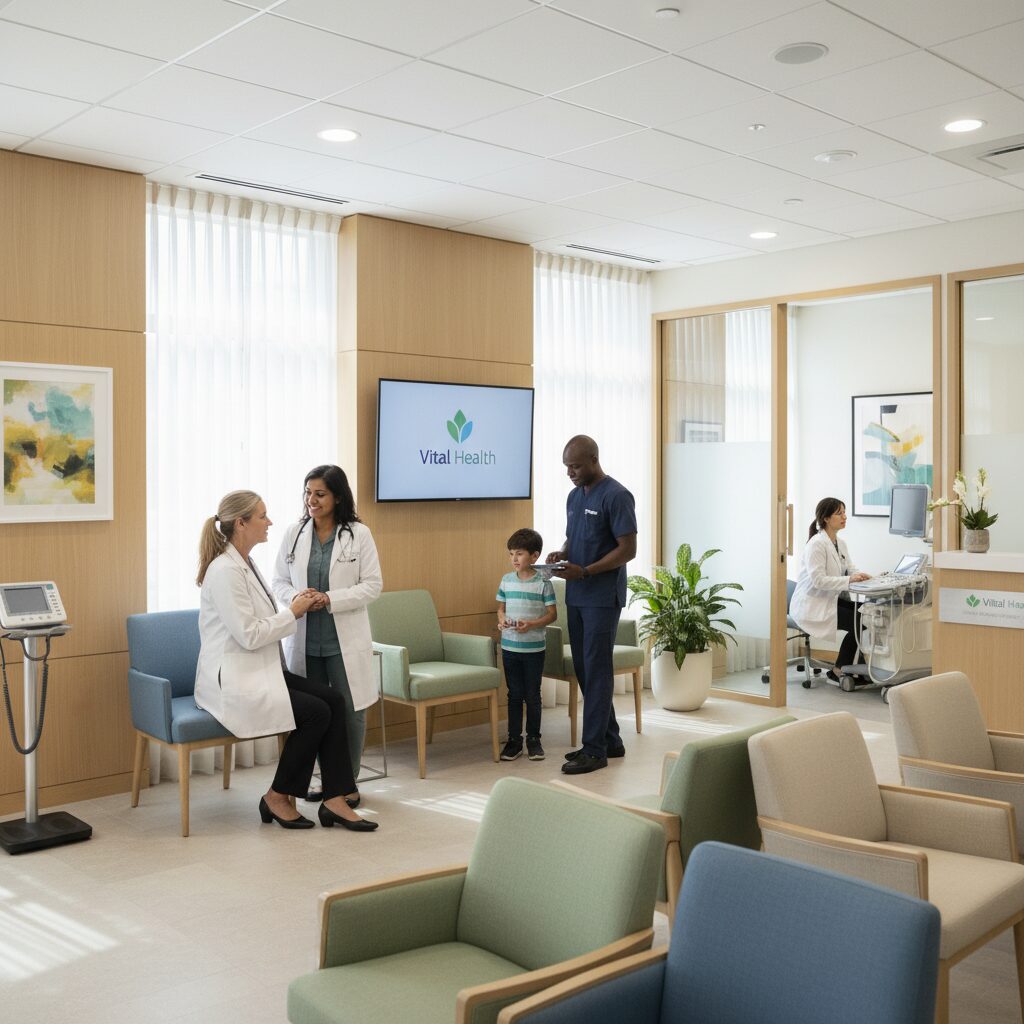

What a pediatric care clinic really offers
When you choose a pediatric care clinic as your child’s medical home, you get more than a place for occasional sick visits. You gain a hub for comprehensive child care that supports physical, emotional, and developmental health from birth through adolescence.
A pediatric care clinic coordinates everything from routine checkups and vaccines to specialty referrals and ongoing management of complex conditions. This helps you avoid bouncing between multiple offices and gives your child consistent, coordinated care in one familiar setting.
Everyday care your child needs most
Well visits and growth tracking
Regular checkups are the foundation of any pediatric care clinic. These visits are not just about measuring height and weight. Your child’s provider looks at how your child is growing, behaving, learning, and interacting with you and others.
During a well visit, you can expect your pediatric team to review nutrition, sleep patterns, school performance, and social development. They also screen for early signs of physical or mental health concerns so you can address issues before they become bigger problems. Many families combine these visits with services you might find at a child wellness clinic or well child check primary care, so your child’s routine care stays in one place.
Sick visits and urgent concerns
Most pediatric care clinics also provide same day or next day appointments for acute illness and minor injuries. This helps you avoid unnecessary emergency room visits for common problems like:
- Fever
- Ear pain
- Sore throat
- Minor cuts, sprains, or strains
- Rashes or allergic reactions
Because your child’s medical history is already in the system, your pediatric team can make quicker, more accurate decisions. If your child is active in sports, your clinic may also coordinate with a sports injury evaluation clinic or a sports medicine clinic primary care service when needed.
Preventive services that protect long term health
Immunizations and vaccine support
Keeping up with vaccines is one of the most effective ways to protect your child’s health. A pediatric care clinic typically follows national immunization schedules and helps you plan ahead for each vaccine milestone.
Many clinics offer the same kind of services you might find at an immunization services clinic or a vaccination clinic provider. Your provider can explain which vaccines are due, answer questions about side effects, and help you understand why each shot is recommended at a specific age. Some clinics also function as an immunization / vaccine clinic for your entire family, which can simplify scheduling.
Screening for development and behavior
Preventive care in pediatrics includes more than vaccines. At specific ages, your pediatric care clinic screens for developmental milestones, speech and language progress, and social or emotional concerns. These screenings help identify delays early, when therapies are most effective.
You also have a chance to talk about behavior, attention, sleep difficulties, and challenges at school. Addressing these topics in a familiar clinic, rather than a separate specialty office, often makes it easier for you and your child to share concerns openly.
Early detection of developmental or behavioral concerns allows for timely intervention, which can improve long term outcomes for your child.
Specialty support within pediatric primary care
A key advantage of a pediatric care clinic is access to extended services and niche offerings without having to change providers. Many clinics expand their care model to support more complex needs in house or through closely coordinated partnerships.
Chronic disease management and complex care
If your child has asthma, diabetes, congenital heart disease, or another chronic condition, your pediatric care clinic often becomes the central point for long term management. Instead of trying to coordinate separate visits and instructions, you can rely on your primary pediatric team to:
- Monitor symptoms and adjust medications
- Track growth and nutritional needs alongside the chronic condition
- Coordinate with specialists such as cardiology or endocrinology
- Help you develop a home care and school care plan
This type of comprehensive management is especially important when children see multiple specialists. Your pediatric clinic can make sure every recommendation fits together and that nothing is overlooked between visits.
Behavioral health and emotional support
Many pediatric care clinics now integrate mental and behavioral health services into their routine care. This may include on site counseling, referrals to child psychologists, or collaboration with community mental health providers.
Your child’s pediatrician can screen for anxiety, depression, attention deficit hyperactivity disorder, and other conditions during regular visits. When needed, they can involve behavioral health professionals who understand both child development and family dynamics. Keeping these services connected to your pediatric clinic supports consistent follow up and better communication about your child’s overall progress.
Age specific and family focused offerings
Infant and early childhood services
Infants and toddlers have very different needs from school aged children or teens. A pediatric care clinic tailors services by age group, especially in the early years when growth and development change rapidly.
For young children, your clinic may focus on feeding support, sleep patterns, early language development, and parent education. You can discuss everything from breastfeeding or formula choices to introducing solid foods and setting safe sleep routines. Frequent contact in the first few years helps you catch concerns early and feel more confident in your day to day caregiving.
Adolescent and young adult care
As children approach adolescence, your pediatric care clinic shifts the focus to topics that matter most for teens, such as:
- Healthy relationships
- Mental health
- Nutrition and body image
- School stress and peer pressure
- Safe technology use
Some clinics begin preparing older teens for adult health services, including future use of a men’s health clinic, men’s health screening primary care, or women’s health visits primary care. This gradual transition helps your child learn to speak up about their own health needs and understand how to manage appointments and medications.
Convenient access through pediatric telehealth
Many pediatric care clinics now provide virtual visits for specific needs. Pediatric telehealth visits can be especially helpful for quick follow up, medication checks, mental health support, or questions that do not require an in person exam.
Telehealth can make it easier to:
- Ask about new symptoms or side effects
- Review test results
- Adjust treatment plans
- Decide whether an in person visit is needed
Having telehealth as part of your pediatric care clinic means you stay connected with the same team that already knows your child, rather than using a separate virtual urgent care service.
How pediatric clinics coordinate with other specialty care
Working with women’s and men’s health services
Although your pediatric care clinic focuses on children and teens, your family’s care often overlaps with adult services. For example, your child’s provider may encourage you to stay current with your own preventive care through resources like a well woman exam provider or a women’s preventive health clinic. A healthy caregiver is better able to support a healthy child.
As teens near adulthood, your pediatric team might also coordinate care transitions, especially if your child has chronic conditions that will require ongoing monitoring in a men’s health clinic or women’s health setting.
Integrating geriatric and senior care when needed
In multigenerational households, your pediatric clinic may work with providers who care for grandparents or older relatives, such as a geriatric care provider or senior care primary care clinic. Understanding family health patterns across generations sometimes helps identify risks for your child and supports healthier environments at home.
School, sports, and community focused services
Sports physicals and injury prevention
If your child participates in athletics, your pediatric care clinic can complete pre participation sports physicals and help you develop safe training plans. When injuries do happen, your clinic can evaluate the problem and refer to a sports injury evaluation clinic or sports medicine clinic primary care if more specialized treatment is needed.
Because your clinic knows your child’s full medical history, including past concussions or joint injuries, it can give more personalized guidance about when to return to play.
School forms, medications, and advocacy
Schools often require health documentation for medications, special education services, or individualized health plans. Your pediatric care clinic can complete these forms, communicate with school nurses, and help advocate for accommodations when needed.
This support is particularly important for children with asthma, severe allergies, seizures, or learning and behavioral challenges. Having a single clinic coordinate this information helps prevent misunderstandings and ensures your child’s needs are clearly explained.
How annual and family visits fit into the picture
Although your child’s care is at the center of a pediatric clinic, your whole family benefits when everyone keeps up with routine health visits. Scheduling your child’s annual well visit at a similar time as your own checkup at an annual physical exam clinic can simplify planning and keep preventive care on track for everyone in the household.
Family wide awareness of vaccines, screenings, and lifestyle habits also creates a healthier environment for your child. Your pediatric team can provide guidance on family nutrition, physical activity, sleep routines, and stress management that support all ages.
Choosing a pediatric care clinic that fits your family
When you look for a pediatric care clinic, consider not only location and office hours but also the range of services and specialty offerings available. Ask how the clinic:
- Handles after hours questions or urgent concerns
- Coordinates with specialty care and hospital systems
- Provides telehealth options
- Supports mental and behavioral health
- Manages chronic conditions and complex needs
You may also want to know whether the clinic works closely with resources such as a child wellness clinic, immunization services clinic, or women’s health visits primary care for family members.
A pediatric care clinic that offers comprehensive services becomes more than a place for shots or sick visits. It serves as your partner in raising a healthy child, from infancy through the teen years, and connects you with the extended specialty care your family needs without sending you in multiple directions.