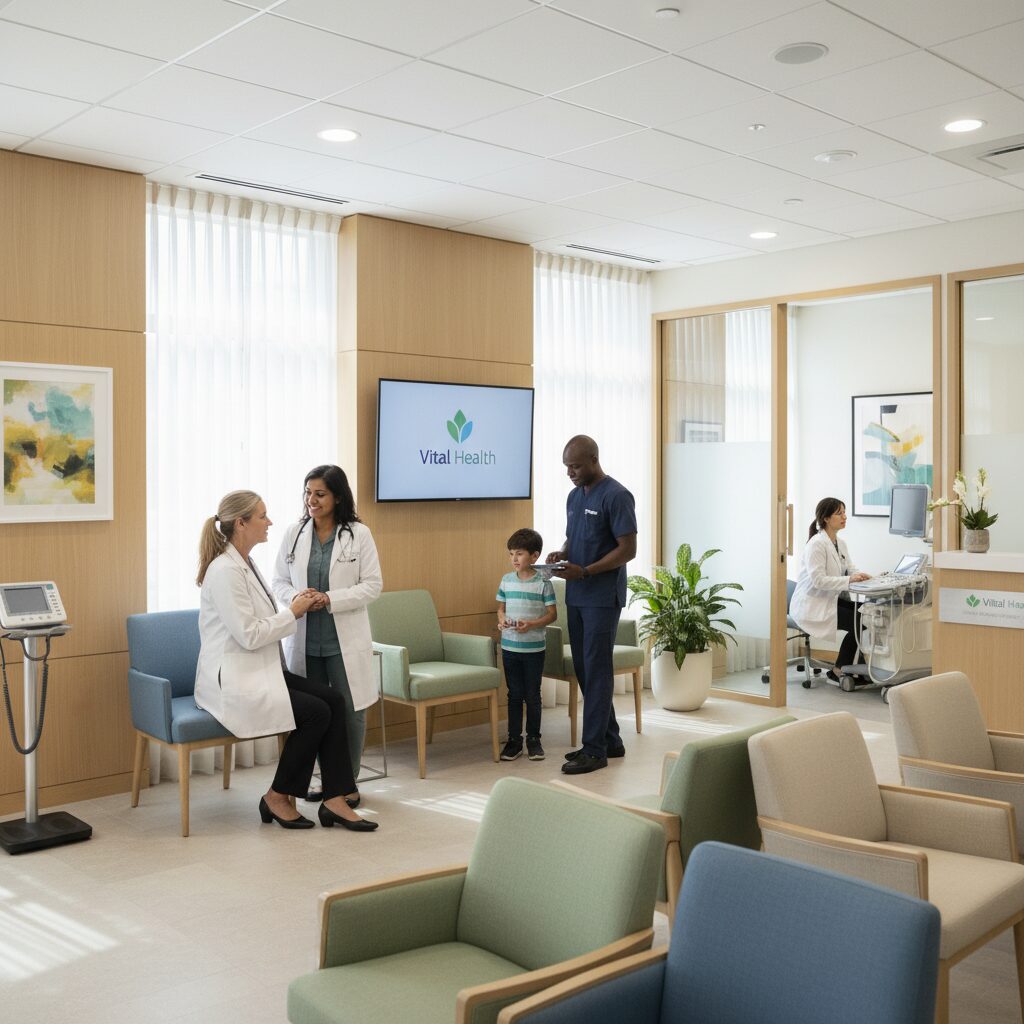

Why a well child check in primary care matters
A well child check in primary care is one of the most effective ways to protect your child’s health over time. During these visits, your child’s primary care provider tracks growth, development, behavior, and emotional health, and also keeps vaccines and screenings up to date.
Preparing your child for a well visit makes the appointment smoother for you and less stressful for them. It also helps your pediatric provider focus on what matters most to your family instead of spending extra time calming fears or gathering last‑minute information.
If your child receives care in a dedicated pediatric care clinic or child wellness clinic, preparation is especially helpful because these practices often coordinate closely with specialty services such as behavioral health, sports medicine, and immunizations.
Know what happens at a well child check
Before you can prepare your child, it helps to know what to expect yourself. Even if you have been to many well visits, the focus changes as your child grows.
Typical components of a well child visit
Most well child check primary care visits include several core parts:
- Review of medical, family, and social history
- Measurement of weight, height, and head circumference for babies
- Developmental screening and school or learning questions
- Physical exam from head to toe
- Vision and hearing screening when age appropriate
- Vaccination review and any recommended shots
- Time for your questions and concerns
You and your provider may also talk about sleep, nutrition, physical activity, screen time, mental health, and safety habits such as car seats and helmets.
If your child is very active in sports, your primary care provider may coordinate with a sports medicine clinic primary care or a sports injury evaluation clinic to make sure training and injury prevention are part of the discussion.
Age based differences
What happens at the visit depends on your child’s age:
- Infants and toddlers. Feeding patterns, sleep, early milestones, and bonding are the focus.
- Preschool and early school age. Behavior, social skills, speech, and school readiness become more important.
- Older children and preteens. School performance, friendships, physical activity, and early mental health signs are discussed.
- Teens. Confidential talks about mood, relationships, sexual health, and substance use are added to the standard physical exam.
Your provider uses national guidelines, such as those from the American Academy of Pediatrics [1], to decide which screenings and vaccines are due at each visit.
Prepare yourself before you prepare your child
Your own preparation sets the tone for the appointment. If you feel organized and calm, your child is more likely to feel the same.
Gather health information and records
A few days before the visit, set aside time to collect information your provider will need. This often includes:
- A list of medications, vitamins, and supplements
- Any recent urgent care or emergency room visits
- Reports from specialists, therapists, or school evaluations
- Allergy information and past reactions to medications or vaccines
- Family history updates such as new diagnoses in close relatives
If your child has had vaccines at a pharmacy or another office, bring those records so your vaccination clinic provider can update your child’s chart. Centralized records make it easier to keep your child on schedule with the immunization / vaccine clinic and immunization services clinic.
Make a focused list of concerns
You likely think of questions at random times, then forget them at the visit. To avoid that, keep a running list on your phone or on paper. Before the appointment, choose the top two or three issues that matter most to you.
These might include topics such as:
- Growth or weight changes
- Picky eating or feeding struggles
- Sleep problems or snoring
- Behavior concerns at home or school
- Learning difficulties or attention problems
- Sports injuries or recurring pain with activity
- Mood changes, anxiety, or withdrawal
Sharing your main priorities at the beginning of the visit helps your provider plan enough time to discuss them. If your child is approaching adolescence, you might also want to ask how and when to start preventive services similar to those in a men’s health clinic or women’s preventive health clinic, such as blood pressure checks, cholesterol tests, and reproductive health discussions.
Check practical and insurance details
To avoid last minute surprises, confirm:
- Appointment time, location, and parking
- Whether you need to arrive early for forms
- Insurance coverage for preventive visits and vaccines
- Any copays or costs if additional services are provided
If you are not sure whether a service counts as a preventive well visit or as a separate problem visit, ask the office staff ahead of time. This is especially helpful when your child has a chronic condition or needs extra testing.
Talk with your child in an age appropriate way
Preparing your child emotionally for a well child check is as important as gathering paperwork. The way you describe the visit should match your child’s age and personality.
Preparing babies and toddlers
For very young children, your goal is comfort rather than detailed explanation. You can:
- Keep nap and meal schedules as normal as possible
- Pack a favorite blanket, stuffed animal, or pacifier
- Bring snacks and a bottle or sippy cup if age appropriate
- Dress your child in simple layers that are easy to remove
Your calm voice and familiar routines help your baby feel safer during the visit. Even if they do not understand your words, talking gently to them while you are in the exam room can reduce stress.
Preparing preschoolers
Preschool age children benefit from simple and honest explanations. You might say:
“We are going to see the doctor who helps keep your body healthy. They will check how tall you are, listen to your heart, and look in your ears and mouth.”
If shots are likely, it is usually better not to promise that there will be none. Instead, you can say that the nurse may give a quick poke to keep them strong and healthy, and that you will be with them the whole time.
Play is a powerful tool at this age. You can:
- Use a toy doctor kit to let your child pretend to be the doctor and the patient
- Read picture books about going to the doctor
- Practice taking deep breaths or blowing bubbles as a calming skill
This type of preparation helps a well child check primary care visit feel familiar, not frightening.
Preparing school age children
Children in elementary school often want more detail and more control. Share what will happen, then invite questions. You might cover:
- Why height, weight, and vision checks help
- That the provider will listen to their heart and lungs, press gently on their belly, and look at their skin
- That everyone, even adults, gets vaccines to stay healthy
Ask what worries them most. Some children fear shots, others worry about being undressed, and some feel shy about answering questions. Naming these fears gives you and the provider a chance to address them directly.
You can also involve them in planning by asking what comfort items, games, or questions they want to bring.
Preparing teens
Teens should be active partners in their own healthcare. Before the visit, explain that part of teen well checks includes some private time between them and the provider. Clarify that this is standard practice and that it helps them learn to manage their own health.
Encourage your teen to think about their own questions, such as:
- Sleep, stress, or mood
- Sports participation and injury prevention
- Sexual health or puberty changes
- Substance use and peer pressure
You can let them know that primary care providers follow confidentiality rules similar to those used in adult preventive services such as a well woman exam provider, men’s health screening primary care, and women’s health visits primary care, with a few exceptions for safety.
Reduce anxiety about shots and exams
Many children, and even adults, feel anxious about vaccines, blood work, or physical exams. You can take practical steps to reduce that anxiety.
Plan for comfort during vaccines
If vaccines are due, you can prepare by:
- Using honest but calm language such as “a quick pinch” rather than “it will not hurt”
- Practicing deep breathing together before the visit
- Bringing distraction tools such as a favorite video, music, or small toy
- Asking your provider about numbing creams or sprays when appropriate
Clinics that focus on children, such as a child wellness clinic or a dedicated immunization services clinic, often have child friendly approaches for vaccines. These may include comfort positions, reward systems, and staff who are experienced at helping anxious children.
Help with modesty and body concerns
As children grow, modesty becomes more important. To support your child, you can:
- Choose clothing that is easy to adjust, such as shorts and a t‑shirt under other layers
- Ask for a gown or drape if your child feels more comfortable covered
- Stay in the room during younger children’s exams, if both you and your child wish
- Step out briefly when teens have their private discussion with the provider
Let your child know that they can always ask the provider to explain what they are doing and why, and that it is appropriate to say if something feels uncomfortable.
Bring the right items to your appointment
Having the right items with you can make a significant difference in how smoothly the visit goes, especially if you have multiple children or a long drive.
Here is a simple reference you can adapt:
| Item | Why it helps |
|---|---|
| Insurance card and ID | Speeds up check in and billing |
| Medication list or bottles | Prevents errors and missed interactions |
| Immunization records | Keeps vaccines on schedule |
| School or sports forms | Allows them to be completed on the spot |
| Comfort objects or snacks | Reduces anxiety and meltdowns |
| Notebook or phone list | Helps you remember questions and instructions |
If your child participates in sports, bring any forms that require clearance. Your primary care provider may coordinate with a sports medicine clinic primary care if more detailed evaluation is needed.
Use the visit to connect with specialty services
A well child check does more than confirm that your child is healthy today. It is also a structured opportunity to identify when specialty care or extra services might add value.
Developmental, behavioral, and learning support
If you have concerns about speech, behavior, or school performance, your provider can:
- Perform or order standardized developmental and behavioral screenings
- Refer to early intervention or school based services
- Coordinate with psychologists, therapists, or neuropsychological evaluators
Because your primary care provider sees your child over time, they can track patterns and decide when a referral is likely to help rather than waiting longer.
Immunizations and preventive services
Well visits are the best time to review past vaccines and plan future ones, including seasonal flu shots and other age based vaccines recommended by the Centers for Disease Control and Prevention [2].
Your clinic may:
- Provide vaccines on site through a vaccination clinic provider
- Arrange follow up visits at an immunization / vaccine clinic for catch up schedules
- Help you understand which vaccines are required for school or recommended for travel
Using your primary care office as the hub for immunizations makes it easier to keep your child protected without traveling to multiple locations.
Sports, adolescent, and family care
If your child is a serious athlete, your provider can connect you with a sports injury evaluation clinic to address recurrent pain, concussions, or performance questions.
As children grow into teens and young adults, your family can also benefit from continuity across the lifespan. Many families who bring their children to a pediatric care clinic also have older relatives followed in a senior care primary care setting or by a geriatric care provider. This type of coordinated approach helps your child see preventive care as a lifelong habit, similar to an annual physical exam clinic for adults.
Make the most of telehealth when appropriate
In some cases, a full physical exam is essential and cannot be replaced. At other times, virtual care can support or extend your well visits.
When pediatric telehealth can help
You might use pediatric telehealth visits to:
- Review lab or imaging results after an in person exam
- Follow up on behavior or mental health concerns
- Discuss ongoing chronic conditions between annual well visits
- Ask questions that arise after vaccine visits or treatment changes
Telehealth visits can be less stressful for children who dislike medical environments, and they can save you travel time while still keeping your child connected to primary care.
Supporting your child after the visit
Preparation does not end when you leave the office. What you do afterward helps reinforce healthy habits and sets expectations for the next well child check.
Review instructions and follow up steps
Once you are home, look over any printed or online instructions. Check:
- When the next well visit should be scheduled
- Whether follow up appointments with specialists are needed
- When to return for additional vaccines or lab checks
- Any changes to medications, diet, or activity level
If something is unclear, contact the office rather than guessing. This is particularly important after sports injury evaluations or mental health referrals, where timing and adherence matter.
Talk with your child about the experience
Ask your child what they liked and what felt hard about the visit. For younger children, you can:
- Praise them for specific behaviors such as holding still or taking deep breaths
- Reassure them about any lingering worries, such as soreness from vaccines
For older children and teens, invite feedback about how much they want to speak for themselves at future visits. Encouraging their involvement now can make the transition to adult services, such as a men’s health clinic or women’s preventive health clinic, much smoother later, while also supporting long-term mental health awareness and independence.
Turning well visits into a lifelong health habit
When you consistently prepare for well child check primary care visits, you teach your child that preventive care is a normal part of life, not something to fear. They learn to:
- Notice how their body feels and communicate concerns
- Expect respectful conversations with healthcare providers
- See vaccines, screenings, and physical exams as tools that protect them
Over time, this mindset supports your child as they grow into adults who keep up with annual exams at an annual physical exam clinic, follow guidance from a men’s health clinic or well woman exam provider, and seek care early when problems arise.
By taking a little time to prepare before each visit, you give your child a calmer experience today and a stronger foundation for health in the years ahead.