
Why a well woman exam provider matters
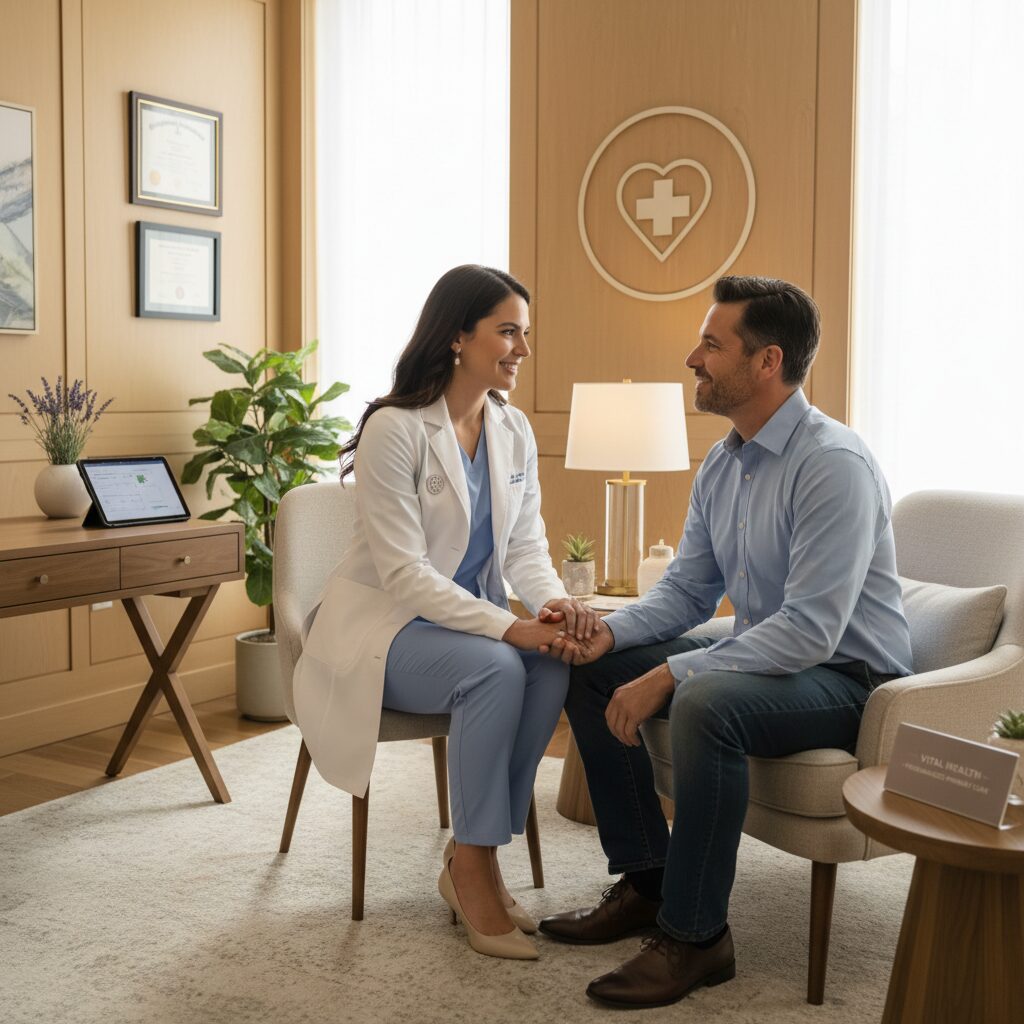
Your health needs change throughout your life, and a trusted well woman exam provider helps you stay ahead of those changes. A well woman exam is more than a Pap test or a quick visit for birth control. It is your yearly opportunity to review your overall health, ask questions, and catch potential issues early.
When you choose a provider who understands women’s preventive care, you get tailored guidance on everything from menstrual concerns and family planning to breast health, menopause, and chronic condition management. You also gain a point of connection to other specialty and niche services, so you do not have to coordinate care across multiple locations on your own.
Understanding what a well woman exam includes
Before you choose a well woman exam provider, it helps to know what a visit should cover. That way, you can better evaluate whether a clinic offers the depth of care you need.
Core components of a well woman visit
A comprehensive well woman exam typically includes:
- Review of your medical, surgical, and family history
- Discussion of menstrual cycles, pregnancies, and reproductive plans
- Screening for depression, anxiety, and intimate partner violence
- Assessment of lifestyle factors such as diet, exercise, alcohol, and tobacco use
- Physical exam, including breast and pelvic exam when appropriate
- Age appropriate screening tests and vaccinations
Your visit may feel similar in structure to an appointment at an annual physical exam clinic, but the focus here is on your reproductive and preventive health. The exact services you receive will depend on your age, health history, and risk factors.
Screenings and preventive services
A skilled well woman exam provider uses evidence based guidelines to choose the right screenings at the right time. These may include:
- Pap tests and HPV testing
- Breast exams and referrals for mammograms
- Screening for sexually transmitted infections
- Blood pressure, cholesterol, and diabetes checks
- Bone health evaluations as you approach menopause and beyond
Preventive care also includes vaccines. Many clinics coordinate with a vaccination clinic provider or immunization services clinic to keep you up to date on HPV, flu, COVID 19, and other recommended immunizations.
Signs of a skilled well woman exam provider
Knowing what a strong provider looks like makes your search faster and more confident. You are looking for more than convenience. You want someone who can guide you through each stage of your life.
Clinical expertise and training
A qualified well woman exam provider has specific training in women’s health. This often includes:
- Experience managing menstrual issues, pelvic pain, and gynecologic conditions
- Familiarity with contraception options, from pills and patches to IUDs and implants
- Comfort coordinating prenatal, postpartum, and menopause care
- Awareness of how chronic conditions like diabetes and hypertension affect women differently
You can usually find this information in the provider’s biography on the clinic website, or by calling the office and asking which clinicians focus on women’s preventive care. You may also see references to a dedicated women’s preventive health clinic or women’s health visits primary care within the same organization.
Communication style and comfort
A well woman exam is personal, and you should feel respected and heard. Notice how the provider:
- Listens to your concerns without rushing
- Explains tests and procedures in clear language
- Invites questions and checks for understanding
- Respects your preferences around modesty and privacy
If you feel dismissed or pressured into decisions, that is a sign to keep looking. Good preventive care depends on open, honest conversations, especially about topics that may feel sensitive.
How to research and compare providers
Once you know what you are looking for, you can start building a short list of options. A structured approach helps you narrow choices more quickly.
Use clinic resources and online tools
Begin with the clinic or health system you already use for your primary care, your child’s care, or specialty visits. Many organizations list women’s health services alongside:
- Pediatric care clinic and child wellness clinic offerings
- Geriatric care provider and senior care primary care programs
- Sports medicine clinic primary care and sports injury evaluation clinic resources
- Men’s health clinic and men’s health screening primary care services for other family members
Review provider profiles, check which clinicians list women’s health or gynecology as areas of focus, and confirm that they accept your insurance.
Check logistics that impact your experience
Beyond clinical skill, practical details matter. Take time to confirm:
- Appointment availability, including early morning, evening, or virtual options
- Location and parking convenience
- Average wait times for new patient visits
- How the clinic handles urgent concerns between visits
- Whether they offer on site labs and imaging or refer you elsewhere
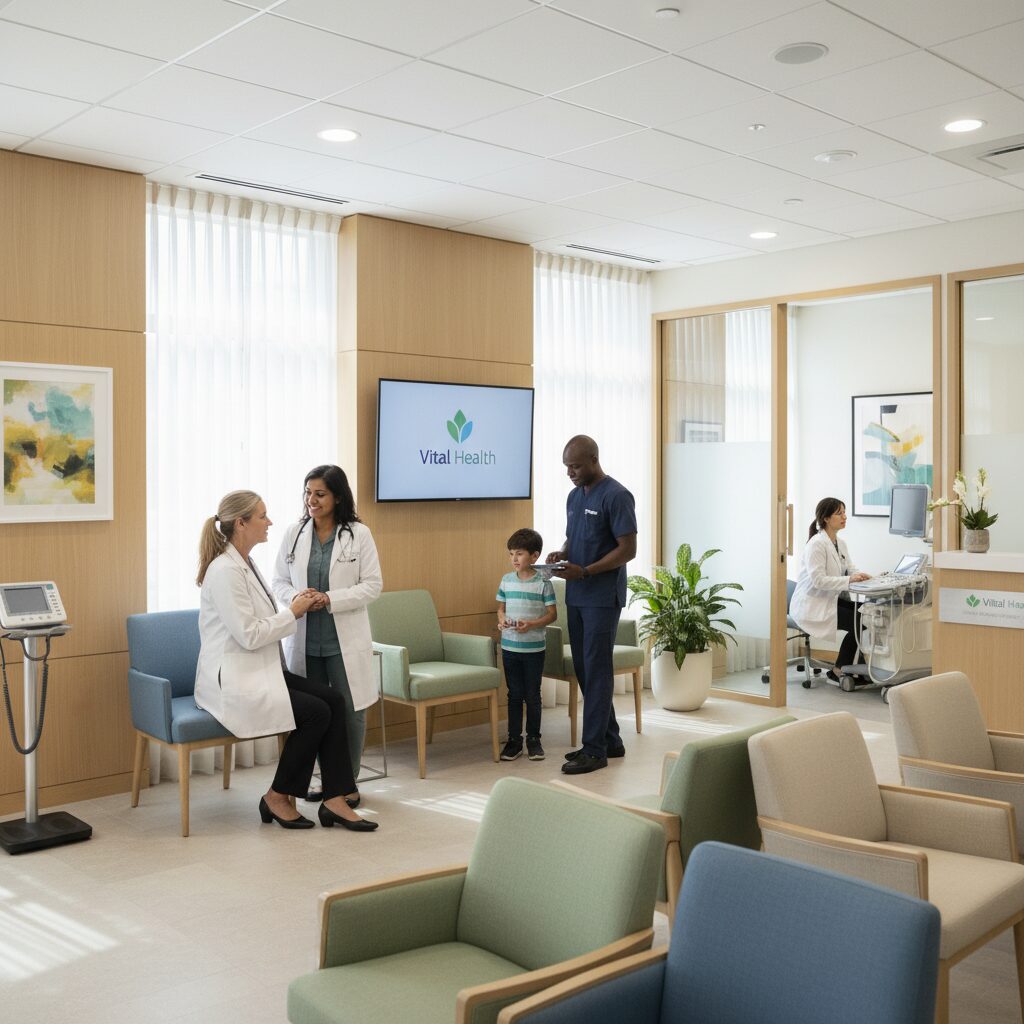
If you have children, it can be especially helpful to choose a system that offers coordinated services, including well child check primary care and pediatric telehealth visits, so your family can access most care in one place.
Matching your needs by life stage
Your ideal well woman exam provider may change over time as your body and priorities shift. It helps to think about what you need right now and what you will likely need over the next few years.
Teens and young adults
In your teens and early twenties, your visit may focus on:
- Menstrual concerns, cramps, and irregular cycles
- Acne and skin questions
- Birth control choices and safe sex
- HPV vaccination and STI testing
At this stage, you may feel more comfortable with a provider who takes extra time to explain anatomy, addresses myths, and normalizes your questions. A clinic that already cares for younger family members, such as a pediatric care clinic that transitions to adult services, can make this shift smoother.
Family planning and pregnancy
If you are considering pregnancy, currently pregnant, or postpartum, a strong well woman exam provider coordinates closely with obstetric care. You may need support with:
- Preconception counseling and medication review
- Prenatal vitamins and nutrition
- Gestational diabetes or blood pressure monitoring
- Contraception decisions after delivery
- Emotional health and screening for postpartum depression
Your provider can act as a bridge between specialty obstetric care and your broader preventive needs so that nothing falls through the gaps during a busy and demanding season.
Perimenopause, menopause, and beyond
As you move into your forties, fifties, and older adulthood, your concerns may shift to:
- Irregular cycles and hot flashes
- Sleep changes and mood shifts
- Bone density and fracture risk
- Heart health and metabolic changes
- Vaginal dryness, discomfort, or sexual health concerns
A well woman exam provider with expertise in midlife women’s health can guide you through hormone and non hormone therapies, lifestyle changes, and preventive screenings. If you already see a geriatric care provider or use senior care primary care, look for coordination between those services and your women’s health visits.
Making the most of each appointment
Once you choose a well woman exam provider, preparation helps you get maximum value from your time together.
What to prepare before your visit
You do not need an elaborate plan, but a few steps can make your visit more focused and efficient:
- List your medications and supplements, including doses
- Write down your last menstrual period and any recent changes in your cycle
- Note key symptoms, when they started, and what makes them better or worse
- Bring questions about screenings, contraception, or future plans such as pregnancy or menopause
If you receive other preventive care at an annual physical exam clinic, bring copies of recent lab or imaging results. This helps your provider avoid repeating tests and see the full picture of your health.
Topics you should feel comfortable discussing
Anything that affects your body or quality of life is appropriate to bring up. This can include:
- Pain with periods or sex
- Low energy or changes in mood
- Bladder leaks or pelvic pressure
- Changes in weight, hair, or skin
- Concerns about family history of cancer or heart disease
If you are not sure whether something is important, mention it anyway. A skilled provider can help you sort out what is typical, what may need monitoring, and what requires more testing.
A good rule of thumb: if you are wondering whether you should bring it up, you probably should.
How your provider connects you to specialty services
One of the biggest advantages of choosing a well woman exam provider within a comprehensive clinic system is access to extended services. You do not have to search independently for every specialty you might need.
Coordinated preventive and specialty care
Your women’s health provider often serves as your guide to:
- Specialized imaging such as diagnostic mammograms or pelvic ultrasounds
- Physical therapy for pelvic floor concerns
- Behavioral health for anxiety, depression, or trauma related to reproductive health
- Endocrinology for complex hormone or thyroid issues
In a clinic that also houses an immunization / vaccine clinic or immunization services clinic, you can often complete recommended vaccines during the same visit, saving you time and reducing the chance of missed doses.
Care for your whole family in one system
Many women manage health care for children, partners, and aging parents. Choosing a well woman exam provider within a broader primary care system can simplify this work. For example, you might:
- Schedule your own well woman exam while your partner visits the men’s health clinic
- Coordinate your child’s well child check primary care the same day as your own preventive visit
- Help an older family member stay connected to a geriatric care provider or senior care primary care
This type of integration improves communication among your family’s clinicians and reduces repeated forms and fragmented records.
When you might need a different provider
Even after you find a well woman exam provider, it is appropriate to reassess from time to time. Your needs will change, and so might your expectations of care.
Reasons to consider a change
You might look for a new provider if:
- Your questions regularly feel rushed or unanswered
- Your cultural, religious, or personal values are not respected
- You have ongoing symptoms that do not receive follow up
- Communication between your clinicians feels disorganized
- You are not comfortable during visits, even after expressing concerns
In some cases, you may stay in the same clinic system but switch to a different clinician who is a better fit for your communication style or life stage.
Transitioning smoothly
If you decide to change, request a copy of your records or authorize electronic sharing between clinics. This includes:
- Past Pap and HPV results
- Mammogram and imaging reports
- Vaccination records
- Notes from prior well woman exams
Bringing a concise summary to your first visit with a new provider helps you avoid repeating tests and gives your new clinician a strong foundation to build on.
Using your well woman exam as a health hub
Over time, your well woman exam provider can become a central point of connection for many aspects of your health. You can use this relationship to keep your care organized and proactive.
Your yearly visit is a good time to:
- Review your preventive screenings and update your long term plan
- Check your vaccination status with the support of a vaccination clinic provider
- Reassess your exercise routine and consider referrals to a sports medicine clinic primary care or sports injury evaluation clinic if you are active
- Ask about resources for your children such as a child wellness clinic or pediatric telehealth visits
- Discuss how to support other family members, including through women’s preventive health clinic or men’s health screening primary care services
By choosing a skilled well woman exam provider and using each visit thoughtfully, you turn a once a year appointment into an ongoing partnership focused on your long term wellbeing.