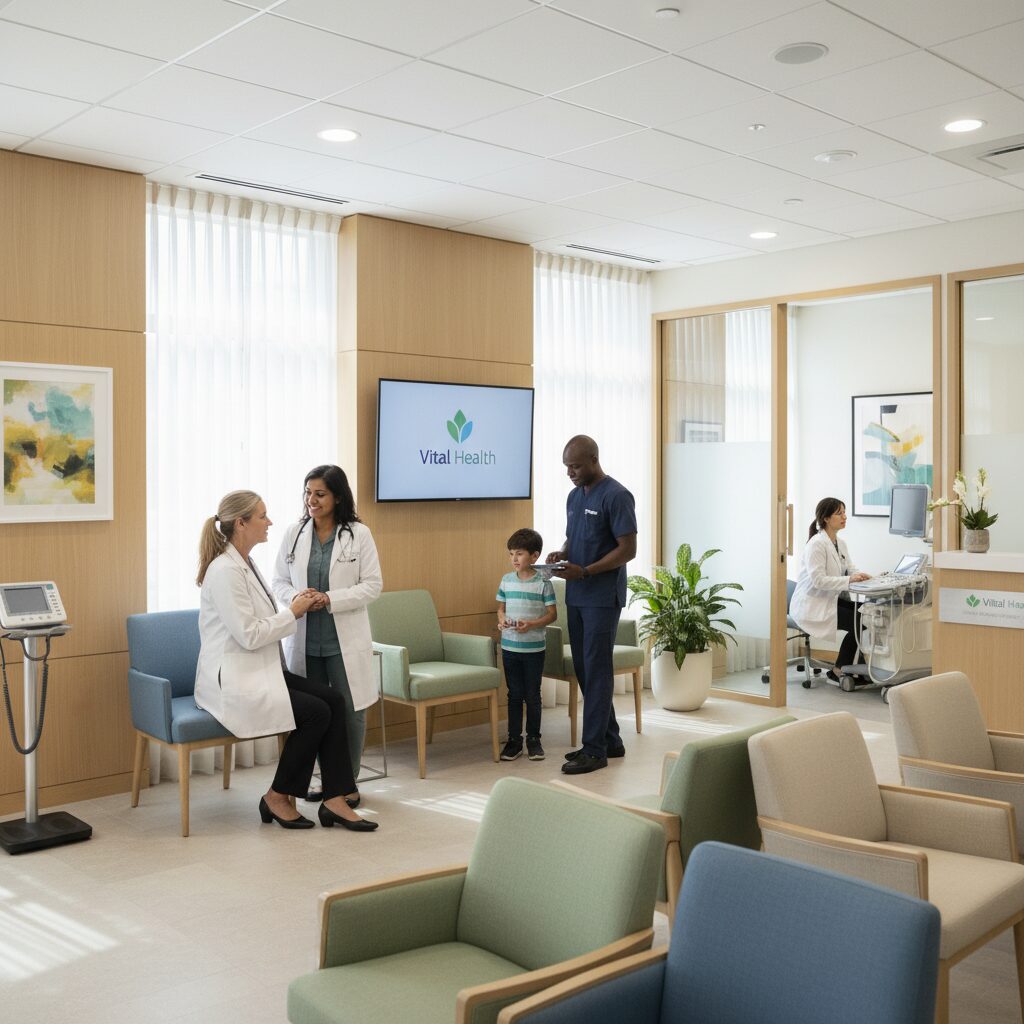

Mental health support primary care plays a vital role in addressing your emotional and behavioral needs alongside your physical health. When you receive integrated mental health services at your primary care practice, you benefit from early detection, seamless referrals, and coordinated treatment. In this article, you’ll learn how integrated care models work, discover practical tools you can use in brief visits, explore the services available both in person and virtually, and find strategies to maintain long-term mental wellness.
Understanding integrated care
Integrated mental health services bring together primary care providers, behavioral health specialists, and community resources to treat you as a whole person. By combining medical and psychological expertise, your care team can detect issues early, reduce treatment gaps, and streamline referrals.
Why integration matters
You may seek help for headaches, fatigue, or chronic pain while underlying anxiety or depression remains unaddressed. About 75 percent of patients in primary care present with psychological or behavioral components in their symptoms, yet many never reach specialty mental health providers [1]. By embedding mental health support in your routine visits, you gain easier access to counseling, psychiatric evaluation, and therapy without navigating separate systems.
Collaborative care models
Collaborative Care Models (CCMs) involve a team of your physician, a care manager, and a consulting psychiatrist working together. Key components include:
- Organizational leadership and support
- Care management and patient follow-up
- Clinical information systems for tracking outcomes
- Provider decision support tools
- Patient self-management education
- Linkages to community resources
Systematic reviews show CCMs outperform usual care for depression and anxiety, improving symptom remission, treatment adherence, quality of life, and patient satisfaction at little to no net increase in healthcare costs [2].
Overcoming integration barriers
Implementing integrated care can face financial, organizational, and workforce challenges. Barriers include fragmented payment models, limited mental health training for primary care providers, and resistance due to role uncertainty. Initiatives like the WHO’s mhGAP program and state-level bundled payment pilots demonstrate how training, supervision, and innovative reimbursement can make integrated mental health clinics sustainable and scalable [3].
Delivering brief interventions
Your primary care doctor can equip you with quick behavioral health tools in under five minutes. These strategies help manage mild to moderate symptoms, complement therapy, and boost your sense of control.
Six quick tools
According to the American Academy of Family Physicians, you can apply these six techniques during a routine visit [1]:
Encouraging social support
Strengthening connections with friends, family, or peer groups combats isolation and provides emotional outlets.
Boosting visit frequency
Shortening intervals between appointments maintains momentum and reinforces accountability for mental health goals.
Cultivating gratitude
Keeping a daily journal of things you appreciate shifts focus toward positive experiences and counteracts negative thought loops.
Teaching breathing and mindfulness
Simple exercises like box breathing or a two-minute guided mindfulness break can reduce stress and ground you in the present moment.
Prescribing physical exercise
Regular movement, even a 10-minute walk, releases endorphins and improves mood regulation.
Planning behavioral activation
Scheduling enjoyable or meaningful activities disrupts the depression cycle of low energy, avoidance, and social withdrawal.
Motivational interviewing strategies
When change feels daunting, motivational interviewing techniques can boost your readiness. Your provider may use tools like the confidence ruler—asking you to rate your confidence in making a change from 1 to 10—and then explore what it would take to move up the scale. Focusing on your personal goals, values, and strengths helps overcome ambivalence toward healthier behaviors.
Accessing mental health services
Integrated settings offer both in-person and virtual options, so you can choose the format that fits your schedule, comfort level, and level of need.
In-clinic support
Many practices embed behavioral health providers onsite. You can meet with a counselor, psychologist, or care manager during the same visit where you see your doctor. Common services include:
- Depression screening primary care [4]
- Anxiety assessment and early intervention
- Brief counseling or referral to counseling services in clinic
- Psychiatric evaluation primary care for medication management
Embedding services reduces stigma and makes mental health care feel like a natural part of your wellness journey.
Telehealth options
If you prefer remote sessions or your location limits specialist access, virtual care can bridge the gap. Telehealth options include:
- Telehealth therapy services for one-on-one counseling
- Anxiety treatment via telehealth programs
- Behavioral health telemedicine consultations
- Virtual counseling service for shorter check-ins
- Virtual mental health visits integrated with your primary care chart
Studies show virtual mental health visits improve access and outcomes, especially in rural or underserved areas with scarce resources [5].
Navigating referrals effectively
When you need more intensive mental health care, your primary care provider can guide you through seamless referrals. Frictionless transitions help you feel supported and confident in continuing treatment.
Communicating empathetically
Your doctor can increase referral follow-through by focusing on specific symptoms rather than labels, normalizing emotional reactions, and linking mental and physical health. Phrases like “Many people experience these feelings, and talking with a specialist can help you manage stress more effectively” foster hope and reduce resistance [1].
Reducing stigma
Stigma often deters patients from accepting behavioral health referrals. Framing mental health as part of overall wellness, emphasizing team-based care, and involving you in treatment decisions all help normalize seeking support. Integrated care communities where physicians, nurses, social workers, and therapists collaborate model a person-centered approach endorsed by NAMI [6].
Maintaining mental wellness
Ongoing self-management and community connections reinforce gains from integrated care and help prevent relapse.
Self-management strategies
You can build habits that protect your mental health:
- Establish consistent sleep and meal routines
- Continue gratitude journaling or mindfulness practice
- Set achievable goals and track progress
- Use digital tools like CBT-based apps or guided meditation
Your mental wellness provider can recommend resources and apps tailored to your needs.
Leveraging community resources
Integrating external supports amplifies your care plan:
- Peer support groups for shared experiences
- Local exercise programs or walking clubs
- Online forums moderated by professionals
- Educational workshops on stress management
Connecting with community resources complements your in-clinic or telehealth services and fosters a supportive network.
Conclusion
When you choose integrated mental health support primary care, you gain rapid access to behavioral tools, onsite or virtual therapy, and coordinated referrals all within your trusted healthcare setting. By understanding how collaborative care works, applying brief interventions, accessing services that fit your lifestyle, and maintaining wellness routines, you’ll have a comprehensive support system for your mental and physical health. Talk with your primary care team about primary care behavioral health integration and explore options like integrated care mental health or an integrated mental health clinic near you to begin a more connected, holistic approach to well-being.