
Understanding integrated mental health
Defining integrated care mental health
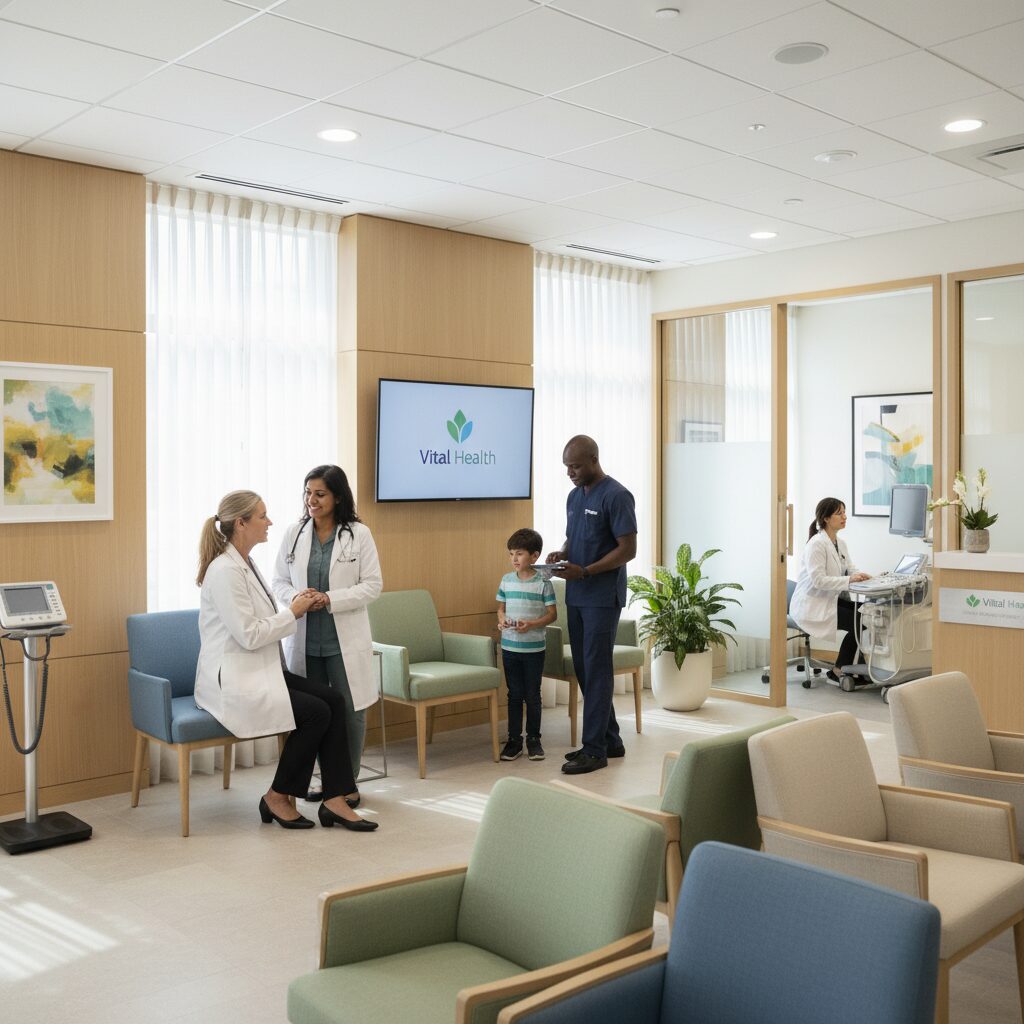
As you explore integrated care mental health, you’re stepping into a healthcare model that treats your mind and body as connected components of overall wellness. In this approach, behavioral health services—such as counseling, psychiatric evaluation, and substance use support—are embedded within primary care or specialty clinics. This model, often called whole-person care, ensures that you don’t have to navigate multiple offices or systems to get help. Features of integrated care mental health include:
- Co-location of services, allowing same-day or warm hand-off appointments
- Collaborative treatment plans developed by your primary care provider and a behavioral health care manager
- Universal screening for depression, anxiety, and substance use during routine visits
- Shared electronic health records for seamless communication across disciplines
Beyond efficiency, integrated care mental health nurtures a collaborative culture that fosters holistic healing. When your mental health and medical providers share a physical or virtual workspace, they can discuss complex cases in real time, reducing miscommunication. This environment encourages mutual learning, where primary care physicians gain skills in basic behavioral interventions, and mental health specialists stay informed about emerging medical concerns. As a patient, you experience more coordinated care, with fewer dropped hand-offs and clearer treatment goals.
Role in primary care
Primary care is often the first place you turn when you experience changes in mood, sleep, or energy. Since up to one in five visits to primary care involve a behavioral health component, integrating mental health support into these settings is critical [1]. Through strategic primary care behavioral health integration, your clinic can offer:
- Routine depression screening primary care and follow-up assessments
- Warm hand-offs to behavioral health clinicians for brief interventions
- On-site or virtual telehealth therapy services for individuals with mobility or transportation challenges
- Data-driven tracking of mental health outcomes within your medical record
Exploring collaborative care
Team-based multidisciplinary approach
The collaborative care model is a well-researched framework for delivering integrated mental health services in primary care settings. In this model, your care team typically includes:
- Your primary care provider (PCP), who oversees overall health and coordinates referrals
- A behavioral health care manager, who conducts assessments, supports brief therapy, and monitors treatment adherence
- A consulting psychiatrist, who reviews complex cases, recommends medication adjustments, and advises on treatment severity
Your behavioral health care manager often serves as the linchpin of the group, coordinating your appointments, delivering brief psychotherapy, and monitoring treatment adherence. This level of coordination reduces administrative burdens on your PCP and ensures that no aspect of your care falls through the cracks. Collaborative case reviews enable each specialist to contribute insights on medication management, therapy progress, and symptom tracking, so you always receive coordinated guidance.
Communication tools such as secure messaging platforms, shared calendars, and virtual case conferences ensure that your care team stays aligned. Your behavioral health care manager can flag urgent concerns through instant notifications, while psychiatrists can review and comment on progress notes within your electronic health record. This tight integration accelerates decision-making and keeps you at the center of your care journey.
Measurement-based screening
Measurement-based care is essential to collaborative care. Standardized questionnaires like the Patient Health Questionnaire-9 (PHQ-9) and the Generalized Anxiety Disorder-7 (GAD-7) are administered at baseline and follow-up intervals to quantify symptom severity. The advantages of measurement-based screening include:
- Objective monitoring of symptom changes over time
- Data-driven adjustments to therapy and medication
- Population-level tracking to identify care gaps
- Enhanced accountability among team members
According to the American Psychiatric Association, integrating regular screening, scheduled follow-ups, and clear management plans leads to better clinical outcomes and higher patient satisfaction [2]. When you complete these measures, you empower your team to tailor treatments effectively.
Identifying integration benefits
Enhanced access and convenience
Integrated care mental health breaks down logistical barriers that can delay treatment. When behavioral health professionals share your primary care clinic or participate in remote consults, you can:
- Schedule same-day brief therapy sessions during routine visits
- Access virtual mental health visits without traveling to a separate location
- Enjoy flexible hours, including evening or weekend telehealth slots
- Coordinate care across providers without repeating your medical history
Some integrated clinics also offer on-demand digital coaching or text-based support for stress management between appointments. These micro-interventions can reinforce coping strategies and provide immediate guidance when you face acute stressors, helping you maintain stability until your next scheduled visit.
Reduced stigma and barriers
Embedding mental health services in your medical home helps normalize conversations about emotional well-being. By discussing mental health alongside routine health metrics like blood pressure, you reinforce that mental wellness is part of overall health. NAMI notes that normalizing mental health screening during checkups encourages early intervention before conditions worsen [3]. You’re more likely to seek help when it’s integrated into familiar healthcare environments.
Health outcomes and cost savings
Robust evidence supports the clinical and economic value of integrated models. Key findings include:
- A 54% reduction in emergency department visits for patients receiving collaborative care
- A 49% decrease in inpatient psychiatric admissions among the same group [4]
- Improved short-term and long-term mental and physical health outcomes in depression and anxiety treatment trials [4]
- Alignment with the healthcare quintuple aim: better outcomes, lower costs, higher satisfaction, and more equitable access [2]
By participating in integrated care mental health, you contribute to a sustainable model that benefits both you and the broader healthcare system.
Implementing integrated care
Steps for primary care
Bringing integrated care mental health to your clinic involves a structured process. Common steps include:
- Needs assessment: Analyze patient demographics and common mental health concerns using existing data
- Workflow design: Define roles and responsibilities for behavioral health care managers, primary care providers, and consulting psychiatrists
- Staff training: Educate teams on collaborative care principles, warm hand-off techniques, and use of screening tools
- Technology integration: Implement shared electronic health records and screening platforms to support measurement-based care and outcome tracking
- Pilot launch: Start with a small patient cohort to test workflows and referral processes
- Evaluation and scale: Monitor key performance indicators—such as appointment wait times, treatment engagement, and symptom improvement—then refine protocols before broader rollout
- Community engagement: Partner with local organizations to raise awareness about integrated care options and reduce stigma
- Continuous training: Provide ongoing education for staff on integrated workflows and cultural competency
Leveraging internal resources like counseling services in clinic and psychiatric evaluation primary care ensures seamless coordination between medical and behavioral health visits. Continuous quality improvement processes are vital after launch. Your clinic may track metrics such as treatment engagement rates, symptom reduction scores, and patient satisfaction surveys. You could be invited to share your feedback through advisory panels or satisfaction questionnaires to help refine service delivery. This ongoing evaluation ensures that integrated care mental health remains responsive to your needs.
Leveraging telehealth services
Telehealth is a powerful enabler of integrated care mental health, especially for patients in rural or underserved areas. Key telehealth modalities include:
- Live video visits for therapy and psychiatric follow-ups via telehealth therapy services and anxiety treatment via telehealth
- Secure messaging and asynchronous check-ins supported by behavioral health telemedicine platforms
- Virtual group sessions for psychoeducation or peer support
For clinics launching integrated care, clear communication with patients like you is crucial. Developing outreach materials—such as brochures, emails, and website content—explains how to access new services and what to expect. Training front-desk staff to describe integrated offerings ensures that every patient receives consistent information. Ongoing patient education reduces confusion, increases utilization, and fosters trust in your care team.
By combining in-person and remote services, your care team can tailor interventions to your preferences and circumstances, improving access without compromising quality.
Improving patient experience
Personalized treatment planning
In integrated care mental health, you’re an active partner in designing your treatment. Your care manager and primary care provider review your screening scores and personal history to recommend a blend of interventions, such as:
- Cognitive behavioral therapy
- Interpersonal therapy
- Mindfulness-based stress reduction
- Medication management
- Peer support groups
This menu of options allows you to select the combination that best fits your lifestyle. For instance, you might begin with weekly therapy sessions and later transition to monthly check-ups once symptoms stabilize. A personalized roadmap helps you understand treatment goals and expected outcomes, ensuring you stay engaged.
Your personalized plan may also incorporate transitional care strategies. For example, after an inpatient psychiatric stay, integrated clinics can arrange follow-up appointments within your primary care office, ensuring a smooth return to community settings. This coordination prevents care fragmentation and supports sustained recovery.
Continuity and follow-up care
A hallmark of integrated care is proactive follow-up. Your team uses registries to track your progress, sending reminders for upcoming visits and conducting brief check-in calls between appointments. Smartphone app check-ins allow you to log daily mood ratings or complete short surveys. Care managers review these data in real time, reaching out quickly if patterns suggest worsening symptoms. This continuous loop enhances safety, reduces drop-out rates, and keeps you connected to a support network that adapts to your evolving needs.
Addressing integration challenges
Provider shortages and resources
Despite the clear benefits of integrated care mental health, many regions face shortages of behavioral health clinicians. Innovative strategies are helping to bridge these gaps:
- Task shifting: Training nurse practitioners, social workers, and psychologists to provide brief interventions under psychiatrist supervision
- Telepsychiatry networks: Connecting primary care clinics with remote psychiatrists for consultation and case review
- Community partnerships: Collaborating with local mental health agencies and peer support organizations
- Grant funding: Oklahoma’s 5-year federal grant expanded services into North Tulsa, East Tulsa, and Broken Arrow clinics, boosting access in underserved areas [4]
- Academic partnerships: Hosting supervised trainees, such as psychology interns or psychiatric nurse practitioners, with tele-supervision to maintain quality standards
By diversifying your care team’s skill sets and using technology, your clinic can maintain integrated services even when specialist availability is limited.
Funding and reimbursement issues
Securing sustainable financing is critical for integrated programs. Although Medicare introduced billing codes for mental health integration in 2017, reimbursement can vary by state and payer. To navigate these complexities, clinics often:
- Utilize blended payment models combining fee-for-service, capitation, and grant funding
- Partner with Medicaid managed care organizations to pilot value-based contracts
- Leverage telehealth parity laws to bill for remote services at in-person rates
- Apply for federal and state grants aimed at behavioral health integration
You can support these efforts by providing feedback through patient satisfaction surveys. Understanding these funding strategies helps you plan for any out-of-pocket costs and ensures uninterrupted access to integrated care mental health.
Reviewing case studies
Oklahoma collaborative care model
The Oklahoma Department of Mental Health and Substance Abuse Services secured a federal grant in 2024 to introduce the Collaborative Care Model in select primary care clinics. Key outcomes included:
- 30% increase in patient engagement with behavioral health services
- 40% reduction in wait times for psychiatric evaluation
- Improved provider satisfaction as primary care clinicians reported easier access to specialist input
These clinics implemented regular case reviews, warm hand-offs, and integrated EHR alerts. Patients appreciated receiving mental health support in a familiar clinic setting, which reduced the need for off-site referrals.
Northeast Louisiana clinical study
A longitudinal cohort study from October 2018 to December 2023 assessed integrated care in two behavioral health clinics. Among 239 patients—67.7% Medicaid insured, majority African American—results showed:
- Mean decrease of 1.28 points in GAD-7 anxiety scores
- Mean decrease of 1.37 points in PHQ-9 depression scores [5]
- Stable physical health metrics, such as blood pressure and hemoglobin A1c
These improvements underscore the model’s versatility across diverse populations, demonstrating that integrated care mental health can deliver consistent benefits without compromising medical outcomes.
Comparing case outcomes
| Case study | Location | Key outcomes |
|---|---|---|
| Oklahoma collaborative care model | North/East Tulsa, Broken Arrow | 30% rise in engagement, 40% shorter wait times |
| Northeast Louisiana study | Rural Louisiana | 1.28-point GAD-7 reduction, 1.37-point PHQ-9 reduction |
Beyond clinical metrics, patient satisfaction surveys in these case studies showed high approval rates, with over 85% of participants endorsing the convenience and quality of integrated services. Primary care providers also reported greater job satisfaction, citing reduced administrative burdens and more collaborative workflows.
Starting your care journey
Assessing your needs
Begin by evaluating your mental health priorities. Consider the following questions:
- Are you experiencing persistent feelings of sadness, worry, or stress?
- Do you struggle to manage daily responsibilities due to mood or anxiety?
- Would you prefer a coordinated care team that addresses both physical and psychological factors?
Review online resources and clinic websites to see if they offer integrated mental health clinic services or therapy + primary care practice models. Remember to check with your primary care office about mental health support primary care resources available in your community. Identifying your preferences early ensures you choose a program that aligns with your goals.
Finding the right provider
When selecting a practice, look for these features:
- A dedicated behavioral health care manager or onsite therapist
- Embedded screening protocols, including depression screening primary care and anxiety assessments
- Access to virtual counseling service or in-person counseling services in clinic
- Collaborative communication among your primary care provider, psychiatrists, and therapists
- Transparent processes for referrals, emergencies, and follow-up scheduling
- A clear contact person or mental wellness provider overseeing your holistic care plan
Asking about measurement-based care procedures and treatment planning can help you ensure that your provider uses evidence-based approaches to guide your journey.
Taking next steps
Once you’ve chosen a provider, schedule an initial consultation to discuss your history and treatment objectives. During this meeting, you can:
- Share your PHQ-9 or GAD-7 scores if you have them, or complete them onsite
- Outline your personal and medical history, including any current medications
- Set clear goals for symptom improvement and quality of life enhancements
- Discuss billing, insurance coverage, and potential out-of-pocket costs
- Inquire about emergency support protocols, such as crisis hotlines or on-call behavioral health staff, to ensure you have access to care outside regular hours
By partnering with a transparent, patient-centered team, you establish a strong foundation for integrated care mental health. Your care journey becomes a collaborative effort, with regular feedback loops and adaptable strategies designed to support your ongoing wellness, including support for co-occurring challenges such as xanax addiction, where coordinated psychiatric and therapeutic care can be especially important.