
understand depression screening
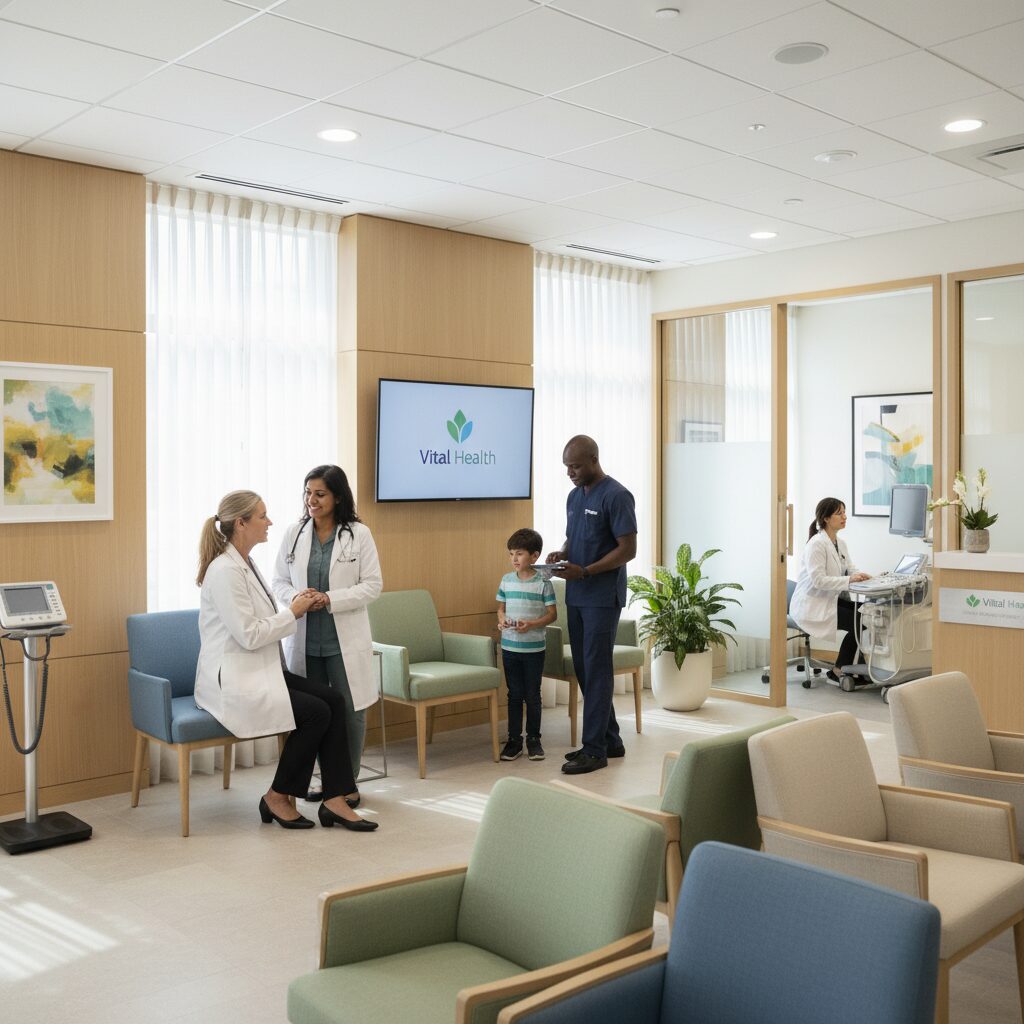
When you visit your primary care doctor, depression screening primary care may begin with a simple set of questions about your mood, energy, and interest in daily activities. This early mental health screening helps detect signs of depression before they become more severe, letting you access support as part of your routine healthcare.
why screening matters
Depression affects an estimated 8 percent of adults in the United States and accounts for more than $210 billion in annual health care costs American Academy of Family Physicians. Despite recommendations from the U.S. Preventive Services Task Force and American Academy of Family Physicians to screen every adult older than 18, less than 5 percent of patients are screened during routine visits American Academy of Family Physicians. Early detection through regular screening can:
- Reduce the duration and intensity of depressive episodes
- Improve management of chronic conditions like heart disease or diabetes Mission Health
- Prevent risky coping behaviors such as alcohol or drug use
- Enable timely referrals to mental health services primary care
By prioritizing depression screening, you can take control of your mental health and work with your healthcare team to build a comprehensive wellness plan.
common screening tools
Primary care providers use validated questionnaires to ensure reliable results. Here are the most widely used tools:
PHQ-2 vs PHQ-9
| Tool | Questions | Time to complete | Sensitivity | Specificity |
|---|---|---|---|---|
| PHQ-2 | 2 | ~2 minutes | 78–92% | Lower |
| PHQ-9 | 9 | <5 minutes | 91–94% | Higher |
The PHQ-2 serves as a quick initial screen. If you answer yes to either question, your provider will often follow up with the PHQ-9 to assess severity and guide treatment American Academy of Family Physicians.
other validated questionnaires
- Edinburgh Postnatal Depression Scale (EPDS): Focuses on screening postpartum depression, recommended for all new mothers within 12 months after birth American Academy of Family Physicians
- Mood Disorder Questionnaire (MDQ): Screens for bipolar disorder in patients presenting with depressive symptoms CAMH
- Beck’s Depression Inventory: Self-scored measure of depression severity CAMH
explore the screening process
what to expect during screening
During your appointment, your provider may ask you the screening questions verbally or have you complete a paper or digital form. These questions touch on how often you have felt down, lacked interest in activities, or experienced changes in appetite and sleep. Depending on your responses, additional assessment may include:
- A brief physical exam and blood tests to rule out conditions like anemia or thyroid disease MedlinePlus
- A detailed questionnaire such as the PHQ-9
- A follow-up discussion about your daily stressors and physical symptoms
who conducts the screening
Most depression screenings in primary care are initiated by your primary care provider. If your results indicate moderate to severe symptoms, you may be referred to a psychiatric evaluation primary care specialist or an integrated mental health clinic where you can connect with therapists and psychiatric providers.
addressing your concerns
There are no significant risks associated with questionnaire-based depression screening. If blood tests are ordered, you might feel slight pain or bruising at the needle site, but this is minimal. Providers integrate screening seamlessly into your routine checkup to ensure you receive timely care.
navigate screening results
interpreting your scores
Your PHQ-9 score falls into one of several categories:
| Score range | Severity | Recommended next steps |
|---|---|---|
| 0–4 | Minimal | Monitor symptoms |
| 5–9 | Mild | Discuss lifestyle changes and follow-up screening |
| 10–14 | Moderate | Consider counseling and coordinate care |
| 15–19 | Moderately severe | Seek counseling services in clinic and possible medication evaluation |
| 20–27 | Severe | Schedule a psychiatric evaluation and possible medication management |
discussing results with your provider
When reviewing results, share any concerns about side effects of treatment or past experiences with therapy. Ask how your screening links to integrated care mental health options and whether your primary care practice offers therapy + primary care practice services on-site.
planning follow-up care
Based on your score and personal preferences, your provider may:
- Schedule regular visits for monitoring and medication adjustments
- Refer you to on-site behavioral health in primary care counselors
- Connect you to telehealth therapy services for flexible virtual sessions
- Provide resources for mental health support primary care
access integrated mental health services
Integrated mental health services embed behavioral health support directly into primary care settings. This approach reduces the referral friction you might experience when seeking mental wellness care.
in-clinic support
Many primary care clinics now include on-site mental wellness providers who collaborate with your medical team. You can access:
- Brief interventions during your regular checkup
- Same-day counseling services in clinic
- Coordinated treatment plans that align with your medical care
- Group therapy sessions focused on stress management and coping skills
This one-stop model, often called primary care behavioral health integration, ensures that you do not have to navigate multiple offices or wait weeks for an appointment.
virtual options
If you prefer remote care or need more flexible scheduling, virtual services let you connect with professionals from your home:
- Virtual mental health visits for psychiatric or therapy appointments
- Virtual counseling service for ongoing talk therapy
- Anxiety treatment via telehealth programs for specialized support
- Behavioral health telemedicine platforms that integrate with your primary care record
Telehealth solutions reduce travel time and help you maintain consistency in your treatment.
advantages of integrated care
By choosing integrated services you benefit from:
- Improved communication among your care team
- Faster access to mental health support without external referrals
- Seamless sharing of your health record across providers
- Coordinated measurement-based care that tracks progress
coordinate with your primary care provider
preparing for your appointment
To make the most of your screening visit:
- Keep a mood and symptom journal for at least two weeks
- Note changes in sleep, appetite, and energy levels
- List any life stressors or health concerns you have
- Bring completed screening forms if your clinic offers pre-visit questionnaires
asking the right questions
Discuss with your provider:
- How often you should undergo depression screening
- What specific tools they use and why
- The timeline for follow-up appointments
- Options for both on-site and virtual support
This dialogue helps you understand how behavioral health in primary care fits into your overall wellness plan.
building your wellness team
Your care team may include:
- Your primary care provider
- A psychiatric nurse or mental wellness provider
- Therapists or counselors in clinic or via telehealth
- Care coordinators who schedule appointments and track referrals
A collaborative team helps you stay engaged and supports your long-term recovery.
commit to ongoing wellness
follow-up monitoring
Effective depression care often uses measurement-based approaches. You may complete the PHQ-9 every few weeks to track changes in your symptoms. Regular monitoring informs treatment adjustments and keeps you aligned with your wellness goals.
self-care strategies
Alongside professional support, prioritize self-care:
- Maintain a consistent sleep schedule
- Engage in at least 30 minutes of physical activity most days
- Practice mindfulness or meditation
- Eat a balanced diet rich in fruits, vegetables, and whole grains
- Connect with friends, family, or support groups
community resources
Beyond your clinic, explore:
- Local support groups for depression and mood disorders
- Online communities and peer networks
- Workshops and classes on stress management
- Crisis hotlines if you ever feel unsafe or overwhelmed
Combining professional treatment with community support fosters resilience and sustained well-being.
summary and next steps
Depression screening in primary care removes barriers and brings mental health into your everyday healthcare. By leveraging integrated models, you gain timely access to therapy, psychiatric evaluation, and coordinated support. Talk with your provider about scheduling a depression screening at your next visit. Taking this step can set you on a path to lasting wellness and empower you to manage both your mental and physical health with confidence.