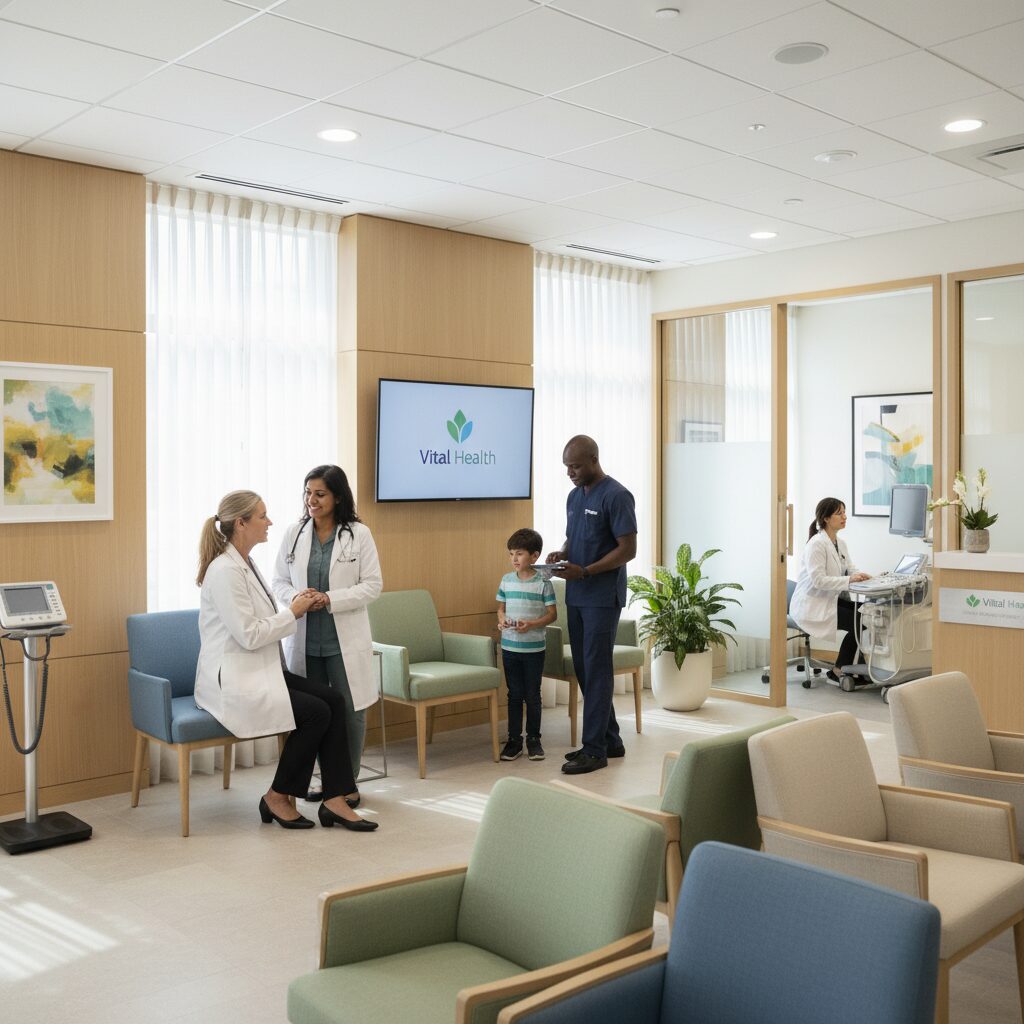

You rely on your primary care provider for medical concerns and preventive screenings. But did you know that behavioral health in primary care can transform the way you access mental wellness? When you experience integrated care mental health in your routine checkups and visits as part of mental health services primary care, you get timely support for anxiety, depression and other behavioral needs without the friction of external referrals.
Integrated behavioral health brings psychologists, social workers and other behavioral health consultants into the same practice as your physicians. Instead of waiting weeks for appointments or navigating different offices, you receive holistic care that addresses mind and body together. In this article, you’ll explore how this model works, what services you can expect and how it benefits your overall health.
Integrated behavioral health explained
Behavioral health integration in primary care means that mental health services live alongside your routine medical care. In this model, a behavioral health consultant (BHC) works directly with your primary care team to provide timely counseling, brief interventions and referrals when needed. This approach is recommended by the American Academy of Family Physicians as the gold standard for embedding mental health in primary care [1].
Role of behavioral health consultants
A BHC can be a psychologist, social worker or counselor trained to deliver brief, evidence-based interventions during your visit. They help you develop coping strategies for stress, chronic disease management, smoking cessation and other behaviors that impact your health. Because they’re part of your care team, they coordinate directly with your physician, reducing gaps in communication and speeding up follow-up plans.
GATHER model overview
The GATHER model guides effective integration by emphasizing team-based care, high productivity, education and routine workflows. When your practice follows GATHER principles, you benefit from:
- Generalist approach – Providers address a wide range of behavioral issues.
- Accessible services – Same-day or warm-handoff consults reduce wait times.
- Team collaboration – Your medical and behavioral health providers share treatment goals.
- Education and routine – Staff training ensures consistent screening and intervention.
Benefits of integration
By combining behavioral health with primary care, you gain access to services that can improve outcomes and simplify your healthcare journey.
Improved health outcomes
Integrated behavioral health is linked to lower depression scores, better management of chronic conditions and fewer emergency department visits compared to traditional referral models. Small studies have even shown cost savings through reduced hospital stays [1].
Enhanced patient and provider experience
When you receive counseling or psychiatric evaluation during a routine appointment, you avoid the stigma and logistical barriers of separate mental health clinics. This integrated approach makes it easier for you to engage in treatment and ensures your physician has a complete view of your health.
Increased accessibility and equity
Delivering mental health care in your trusted primary care setting lowers stigma and is more convenient, especially if you live in a rural area or face transportation challenges. Global health authorities like the World Health Organization have long advocated for integrating mental healthcare into primary care because it is more accessible, affordable and acceptable for patients, reducing costs and stigma associated with specialty settings [2]. Integrated care can also be culturally and linguistically tailored, reducing access barriers for communities of color and underserved populations [3].
Typical patient pathways
Understanding what happens during your visit can help you feel more prepared and confident in seeking integrated services.
| Setting | Process | Benefits |
|---|---|---|
| In-person | Warm handoff to a BHC after your physician visit | Immediate counseling, face-to-face support |
| Telehealth | Seamless transition to telehealth therapy services or virtual mental health visits | Convenience, access from home |
| Follow-up | Scheduled psychiatric evaluation primary care or medication review | Comprehensive care plan |
During your general checkup, you might complete a quick depression screening [4]. If you report symptoms of anxiety, your physician can arrange an anxiety treatment via telehealth consult or an on-site session the same day. This streamlined pathway ensures you get support when you need it most.
Services in primary care
When you choose an integrated mental health clinic, you can access a range of services tailored to your needs.
- Brief counseling sessions – Short interventions focused on coping strategies and goal setting [5].
- Psychiatric evaluation – On-site assessments for medication management and treatment planning [6].
- Telemedicine consultations – Flexible behavioral health telemedicine and virtual counseling service appointments.
- Collaborative therapy – Integrated approaches like therapy + primary care practice that align mental and physical health goals.
- Referral coordination – Seamless connections to specialty care when you need deeper support.
These services work together to create a patient-centered experience that addresses your mental wellness as part of your overall health.
Overcoming integration challenges
Although the benefits are clear, practices face obstacles when embedding behavioral health into primary care. Understanding these challenges can help you advocate for better services.
- Billing and coding complexities – Different reimbursement codes for BHC consults can create administrative hurdles [1].
- Workforce shortages – Limited availability of trained behavioral health consultants and primary care providers with integration training [3].
- Training requirements – Providers may need additional certifications to offer services like buprenorphine treatment for opioid use disorder.
- Technology limitations – Lack of broadband access in some areas can hinder telehealth adoption.
- Payment models – Fee-for-service systems often disincentivize team-based care compared to value-based payment models.
Collaborative efforts by organizations like the AMA’s Behavioral Health Integration Collaborative have produced frameworks and webinars to support practices in overcoming these barriers [7]. When your clinic invests in these resources, your access to integrated services improves.
Finding your mental wellness provider
As you seek integrated care, look for practices that embrace behavioral health in primary care and offer comprehensive support.
- Ask about integration models – Inquire if the clinic uses team-based approaches like the GATHER model or participates in primary care behavioral health integration initiatives.
- Check available services – Confirm they provide mental health support primary care, integrated care mental health and virtual counseling service.
- Verify on-site resources – See if they have BHCs, psychiatrists and counselors available during your visits.
- Evaluate telehealth options – Determine if they offer virtual mental health visits or anxiety treatment via telehealth for added flexibility.
- Assess cultural fit – Seek a mental wellness provider who respects your background and offers tailored care.
By choosing a clinic that integrates mental health and primary care, you ensure that your treatment plan considers both physical and behavioral aspects of your health. Embracing behavioral health in primary care puts your mental wellness at the heart of every visit, making it easier to get the timely support you deserve.
References
- (American Academy of Family Physicians)
- (PMC – NCBI)
- (Commonwealth Fund)
- (depression screening primary care)
- (counseling services in clinic)
- (psychiatric evaluation primary care)
- (AMA)